

Deciding between full car wraps vs. partial wraps often comes down to how you drive, where you park, and how long you plan to keep your vehicle. For drivers in Westlake Village and the Conejo Valley, choosing the right level of paint protection film can significantly impact long-term appearance and maintenance. Below, we break down how full car wraps vs. partial wraps compare and explain which option is worth it for your car.
Understanding Paint Protection Film Coverage Options
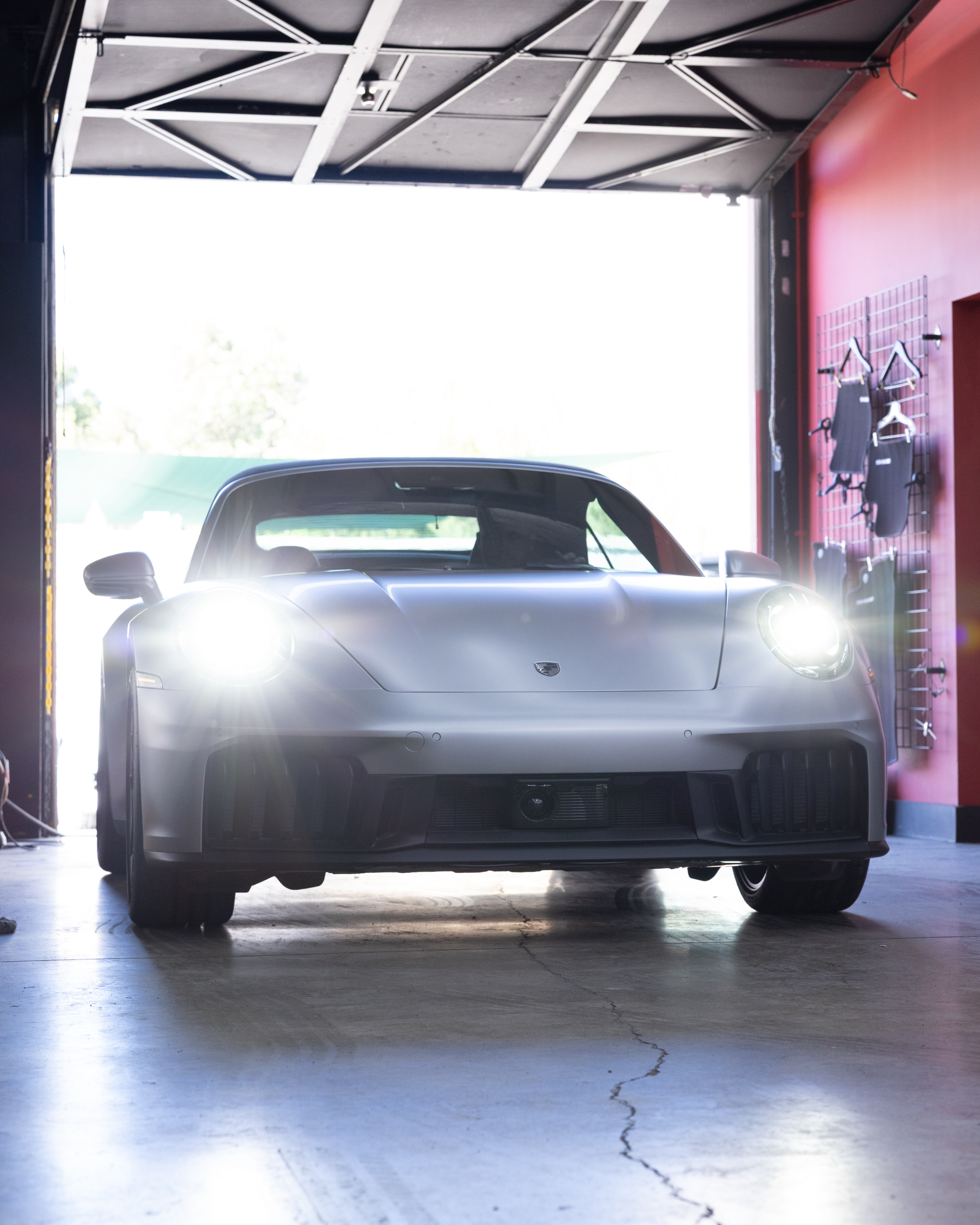
Paint protection film (PPF) protects painted surfaces from rock chips, scratches, road debris, and environmental exposure. According to Forbes, PPF works as a sacrificial layer that absorbs impact and wear before damage reaches the vehicle’s paint, which helps reduce long-term cosmetic deterioration.
Although both full and partial wraps use the same high-quality materials, the difference lies in how much of the vehicle receives protection. As a result, coverage choice plays a major role in durability, appearance, and upkeep.
What Is a Partial Wrap?
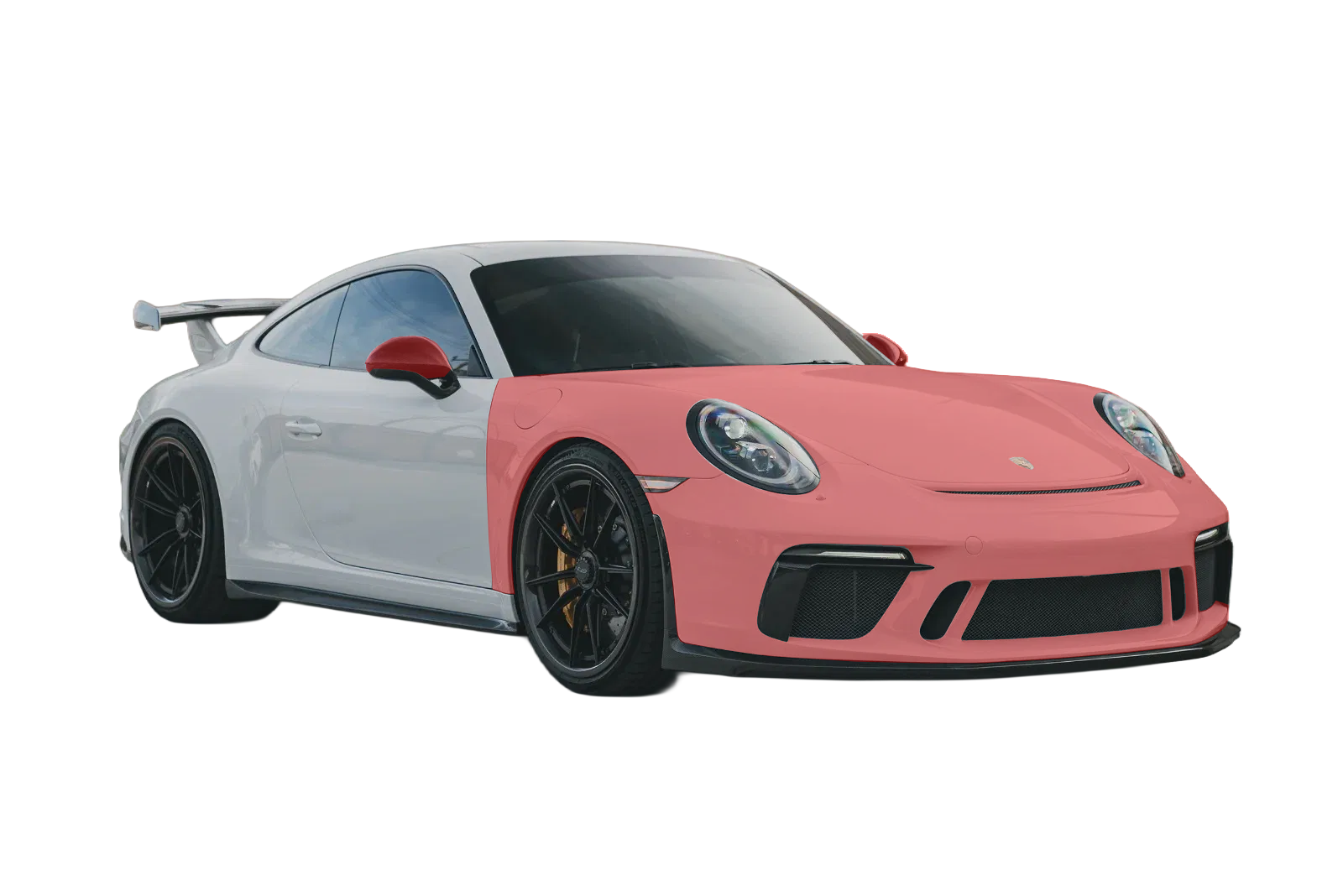
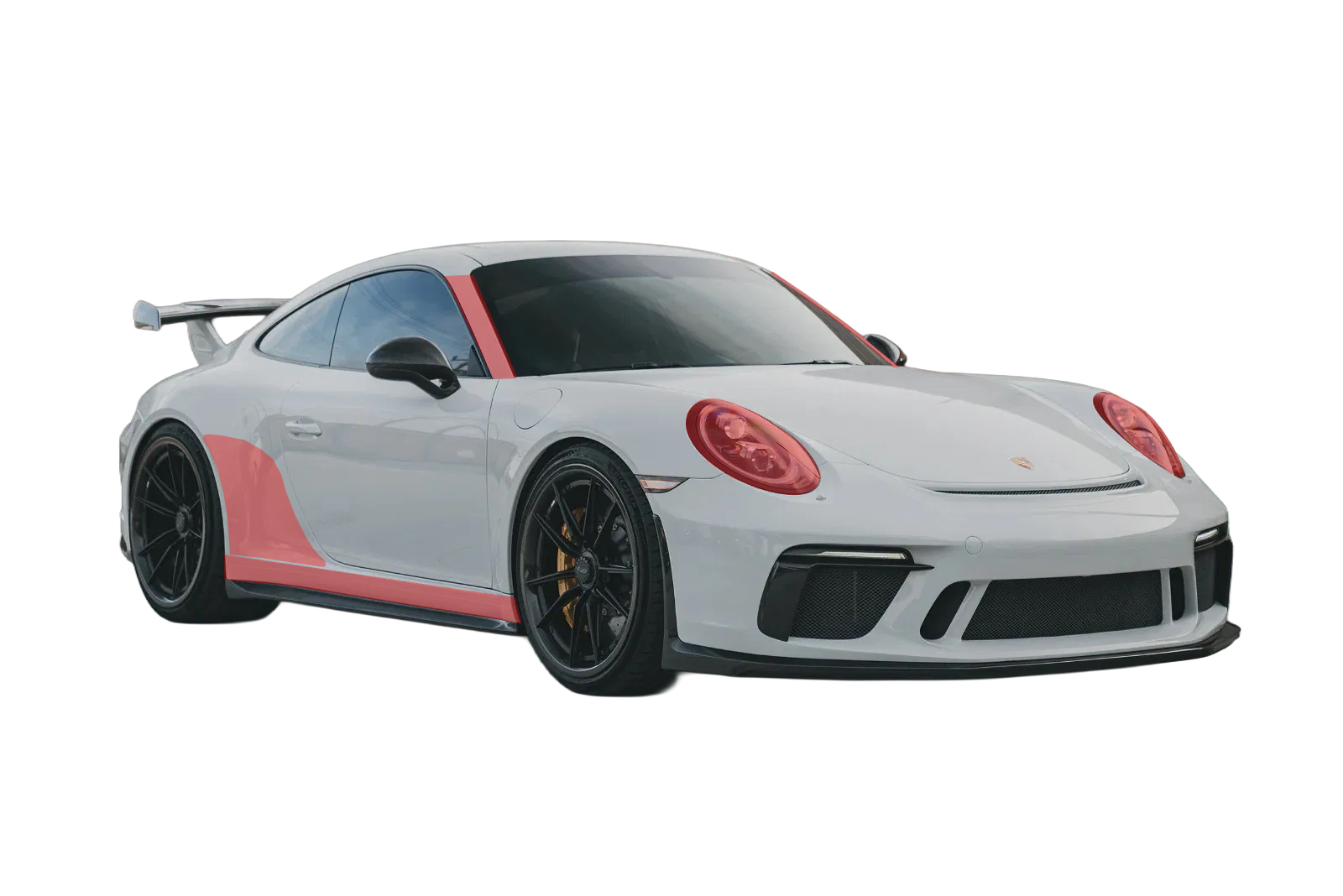
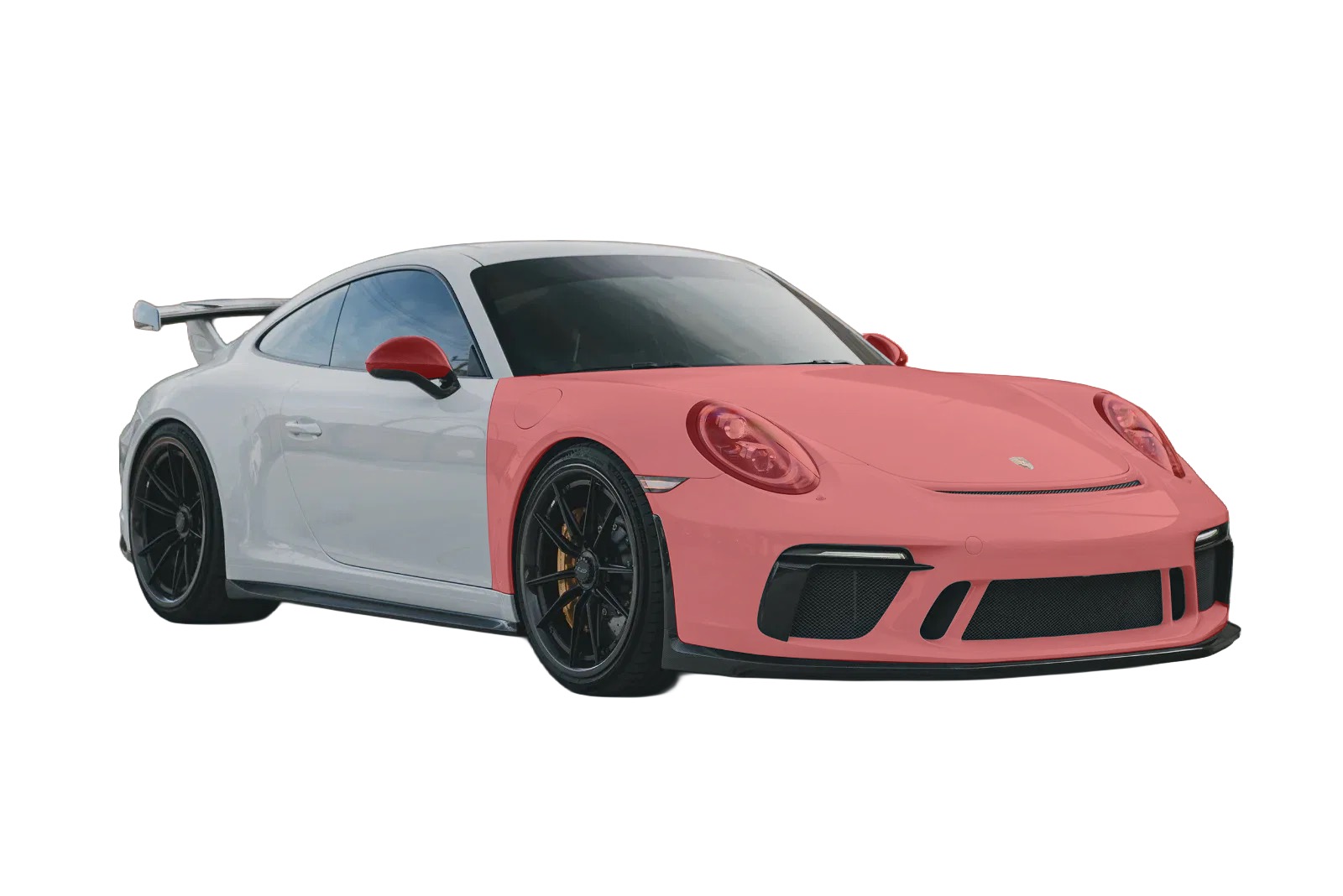
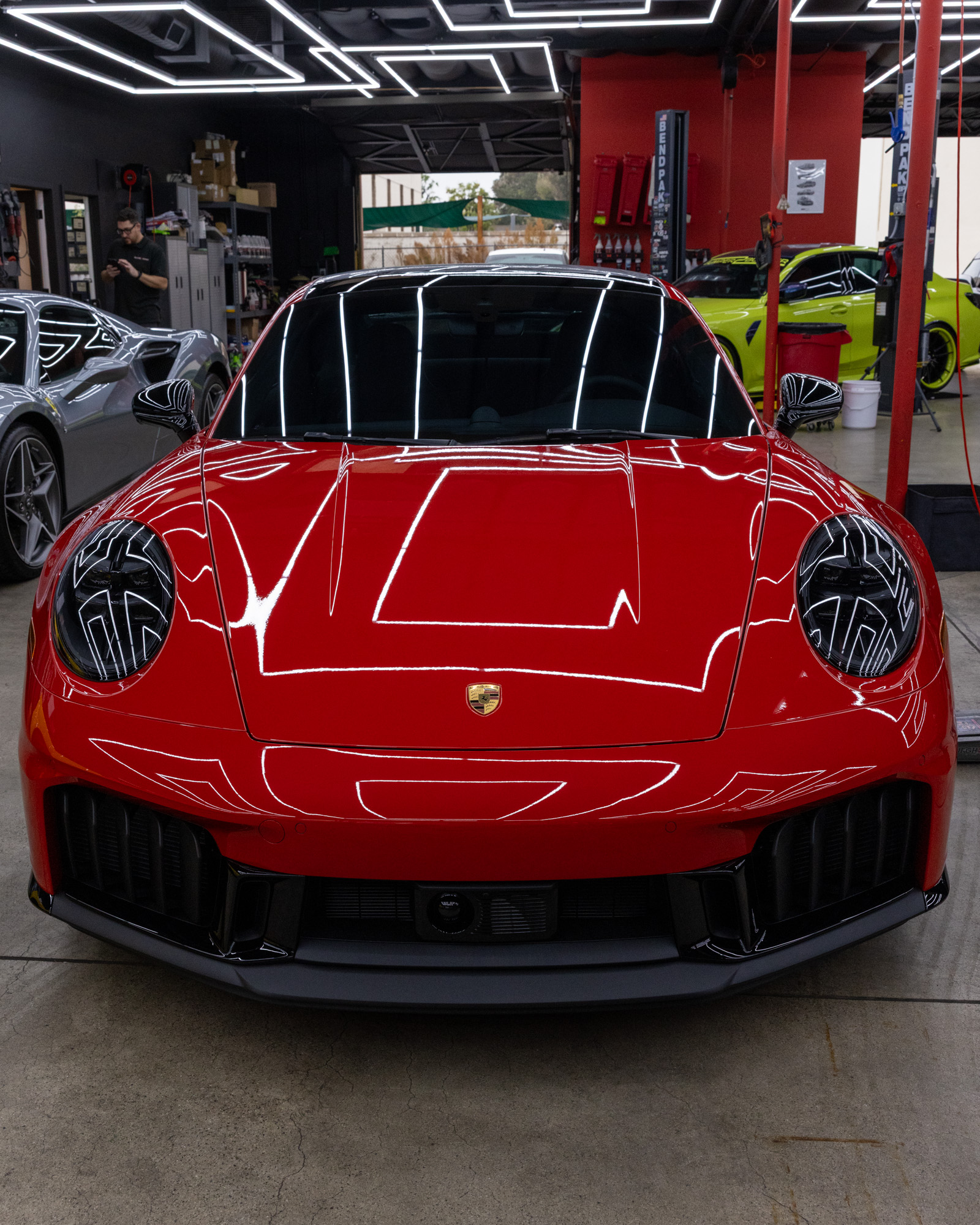
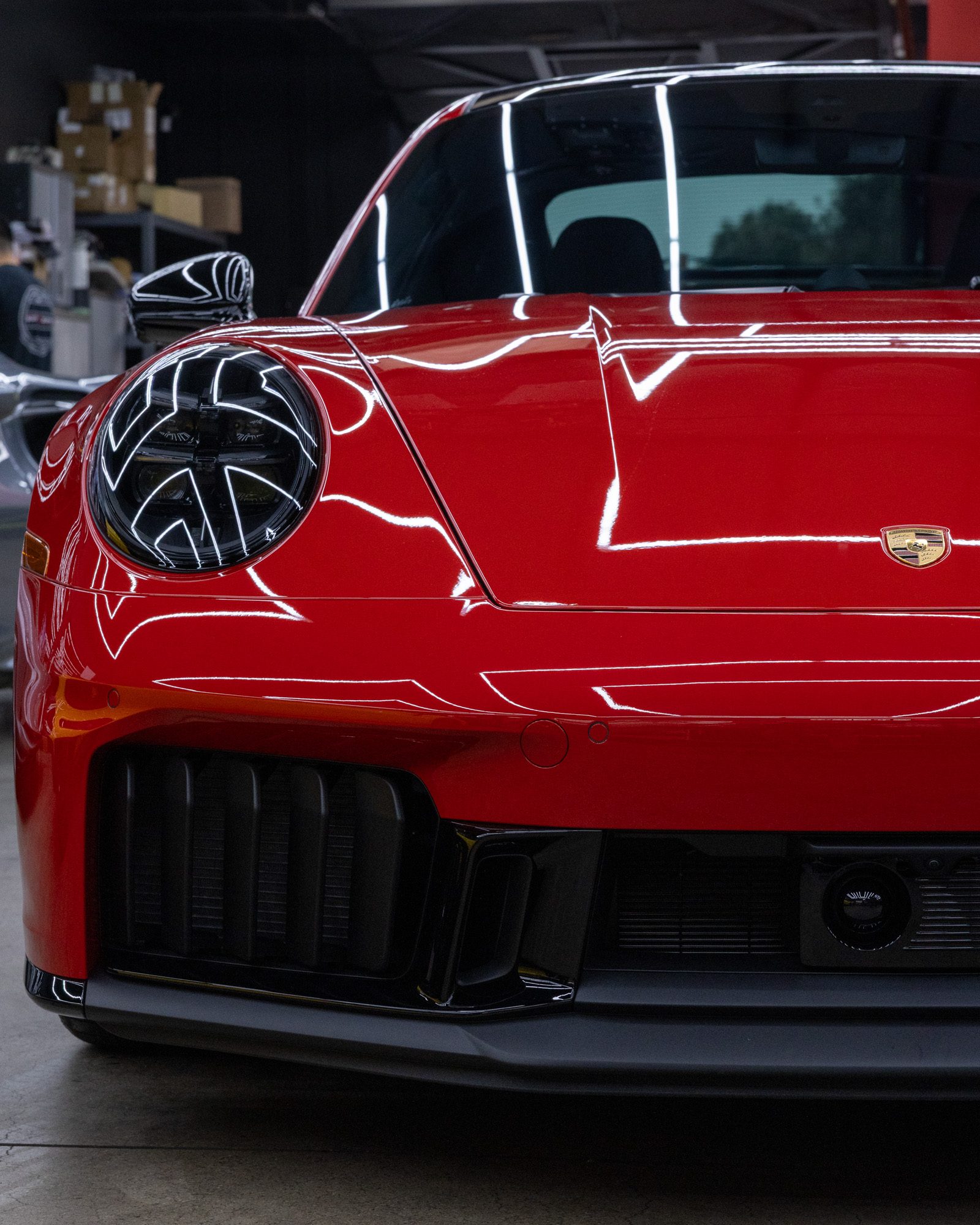
A partial wrap focuses on high-impact areas that experience the most damage during everyday driving. Because road debris typically strikes the front of a vehicle first, installers concentrate protection where it matters most.
Common areas included in a partial wrap:
-
Front bumper
-
Hood (partial or full)
-
Front fenders
-
Side mirrors
-
Headlights
As Kelley Blue Book explains, front-facing surfaces absorb the majority of highway debris, which makes targeted protection a practical solution for many daily drivers.
Therefore, partial wraps often appeal to drivers who want meaningful protection while keeping costs controlled.
What Is a Full Car Wrap?
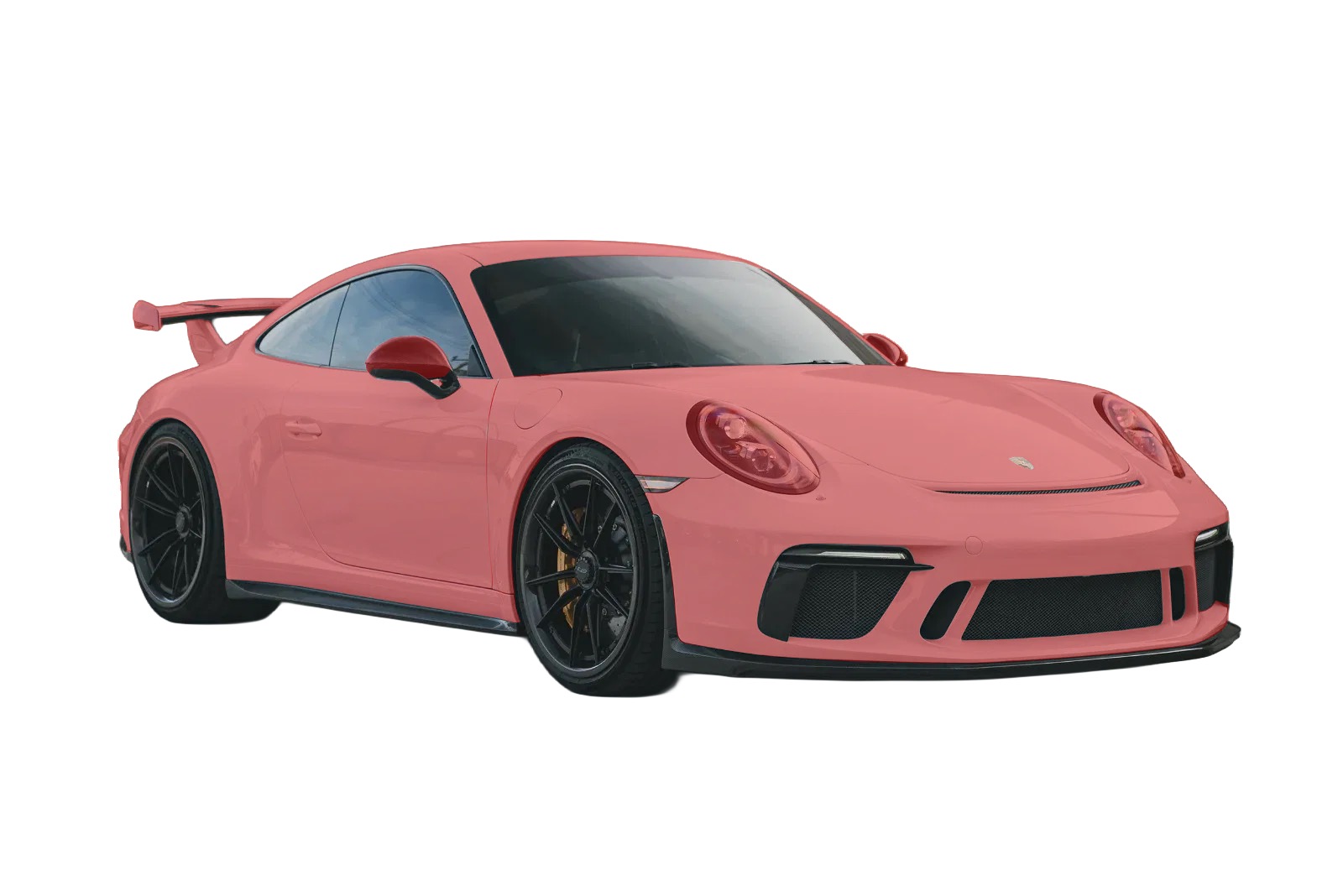
By contrast, a full car wrap protects nearly all major painted exterior surfaces, including:
-
Hood and front bumper
-
Fenders and doors
-
Quarter panels
-
Rocker panels
-
Rear bumper
Because this approach covers most painted panels, it provides consistent protection across the vehicle. Additionally, Forbes notes that full PPF coverage helps simplify long-term paint maintenance when most surfaces share the same protective layer.
For this reason, drivers who prioritize uniform appearance and long-term preservation often lean toward full coverage.
Full Car Wrap vs. Partial Wrap: Side-by-Side Comparison
| Feature | Partial Paint Protection Film Wrap | Full Paint Protection Film Wrap |
|---|---|---|
| Areas Protected | High-impact zones (front bumper, hood, fenders, mirrors, headlights) | Nearly all major painted exterior surfaces |
| Protection Level | Targeted protection where damage occurs most often | Broad protection across most painted panels |
| Appearance | Film edges may be visible on select panels | Seamless, uniform appearance |
| UV Exposure Protection | Limited to covered areas | UV protection across most painted surfaces |
| Long-Term Paint Preservation | Reduces wear in key impact zones | Helps preserve overall paint condition long term |
| Maintenance Consistency | Mixed care for protected vs. unprotected paint | Simplified maintenance due to uniform coverage |
| Best For | Leased vehicles, short-term ownership, budget-focused drivers | Long-term ownership, resale-conscious drivers |
| Cost Range | Lower initial investment | Higher upfront investment |
| Typical Use Case | Daily drivers and commuter vehicles | Luxury vehicles, EVs, and enthusiast cars |
Which Option Makes More Sense in Westlake Village?
Driving conditions in Westlake Village and the Conejo Valley expose vehicles to:
-
Freeway debris from the 101 and 23
-
Canyon road gravel
-
Strong sun and UV exposure
-
Frequent outdoor parking
Notably, Forbes identifies UV exposure and airborne debris as leading contributors to long-term paint degradation, especially in Southern California climates.
Partial wraps often make sense when:
-
The vehicle is leased
-
Driving remains limited or mostly local
-
Budget plays a primary role
Full car wraps, on the other hand, are often worth considering when long-term ownership and paint preservation are priorities, particularly after paint correction or routine auto detailing.
Common Misconceptions About Full and Partial Wraps
“A partial wrap offers the same protection as a full wrap.”
While partial wraps protect the most vulnerable areas, uncovered panels still face scratches, UV damage, and parking lot wear. Consequently, protection remains uneven across the vehicle.
“Full wraps are only for exotic cars.”
In reality, Kelley Blue Book explains that drivers increasingly use PPF on daily drivers, SUVs, and electric vehicles to help preserve paint condition over time—not just on high-performance cars.
Source
How Bumper2Bumper Helps You Choose the Right Option
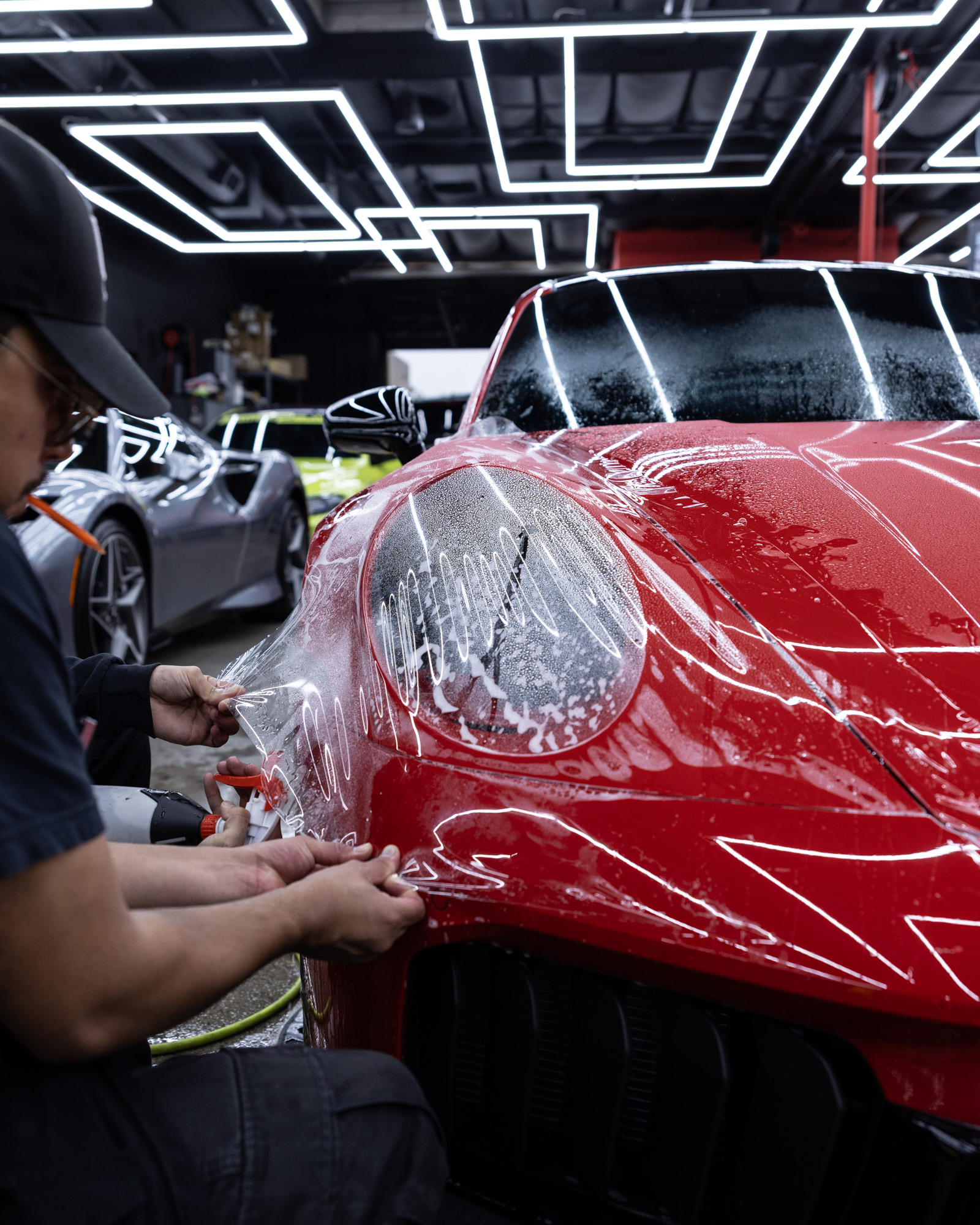
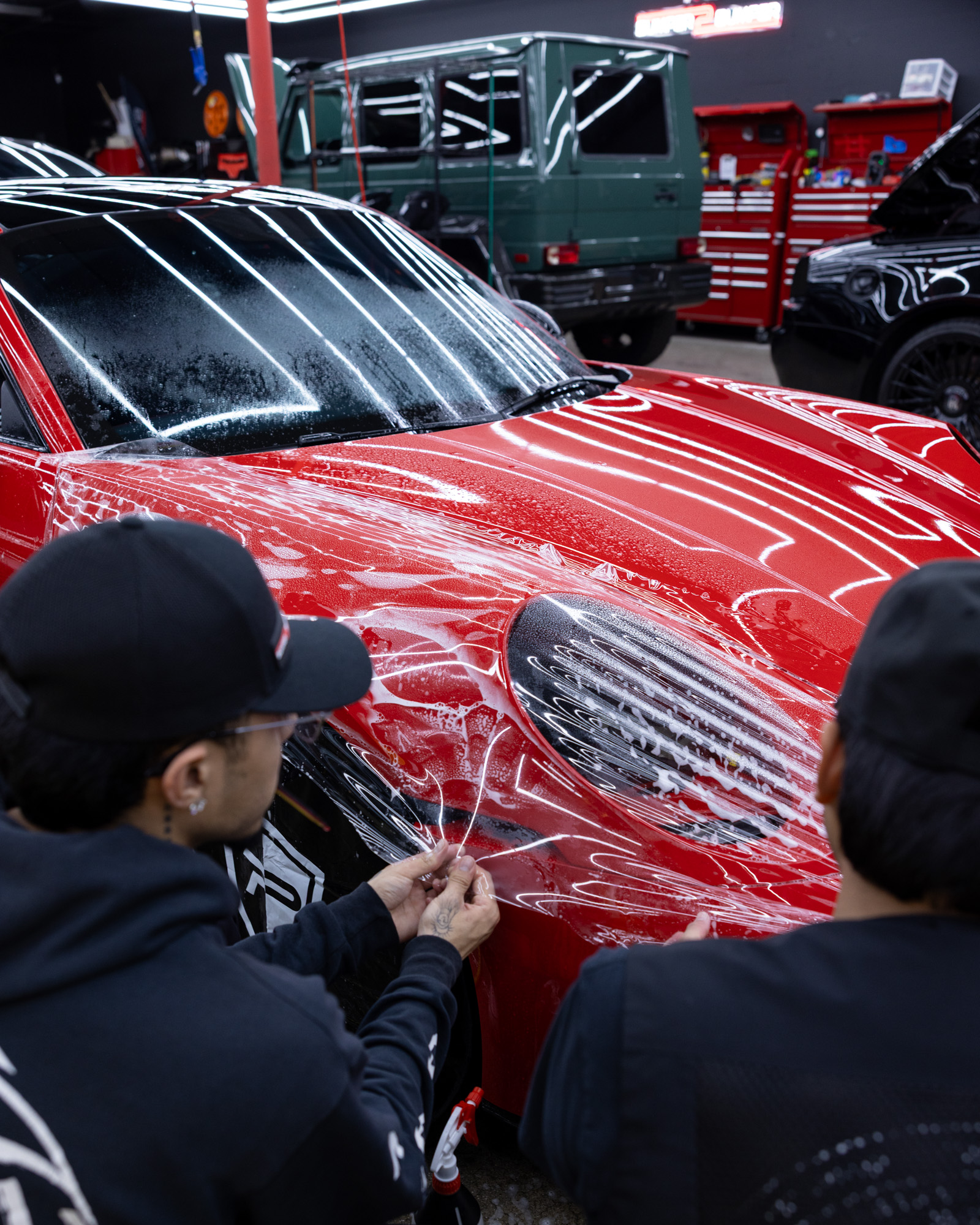
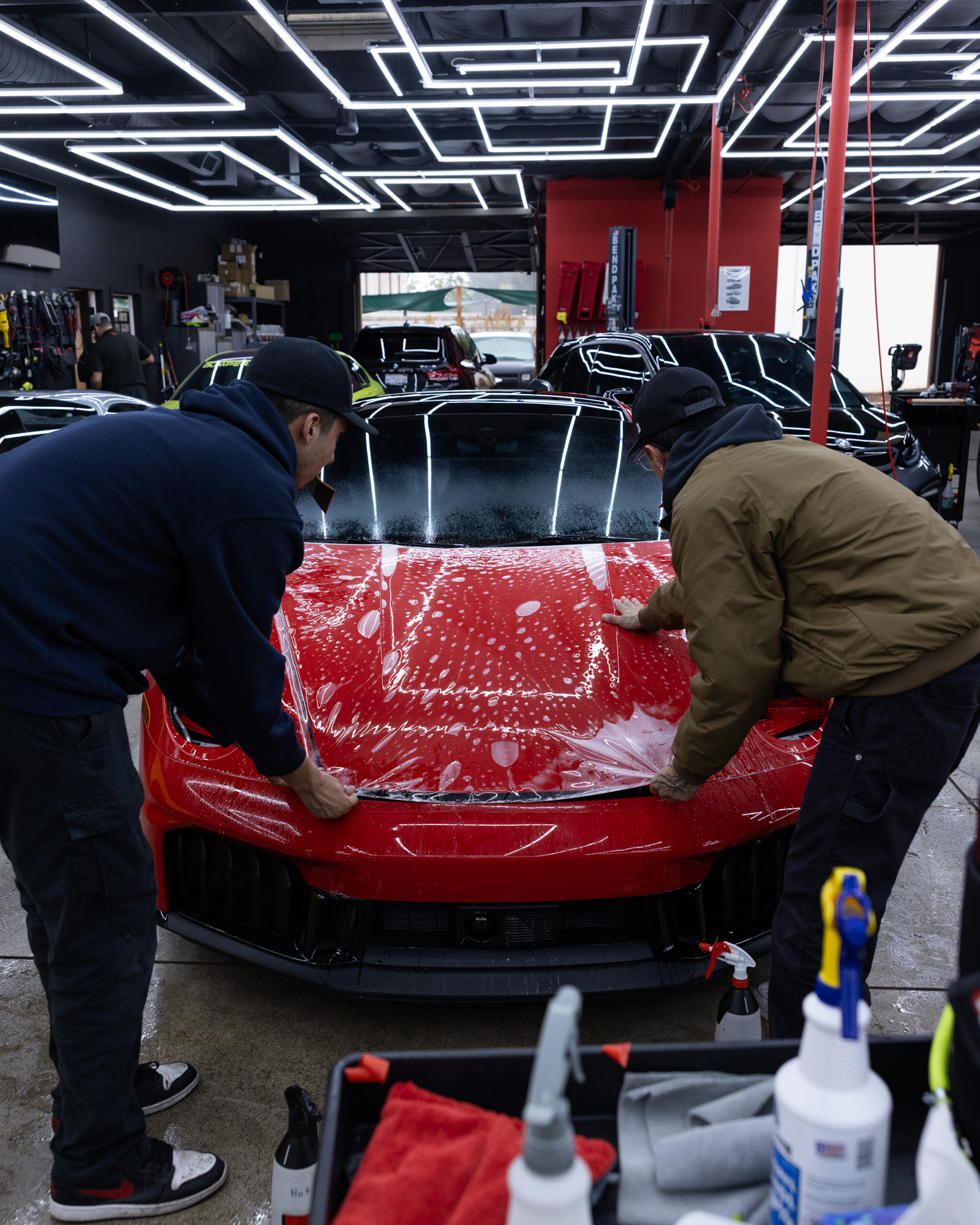
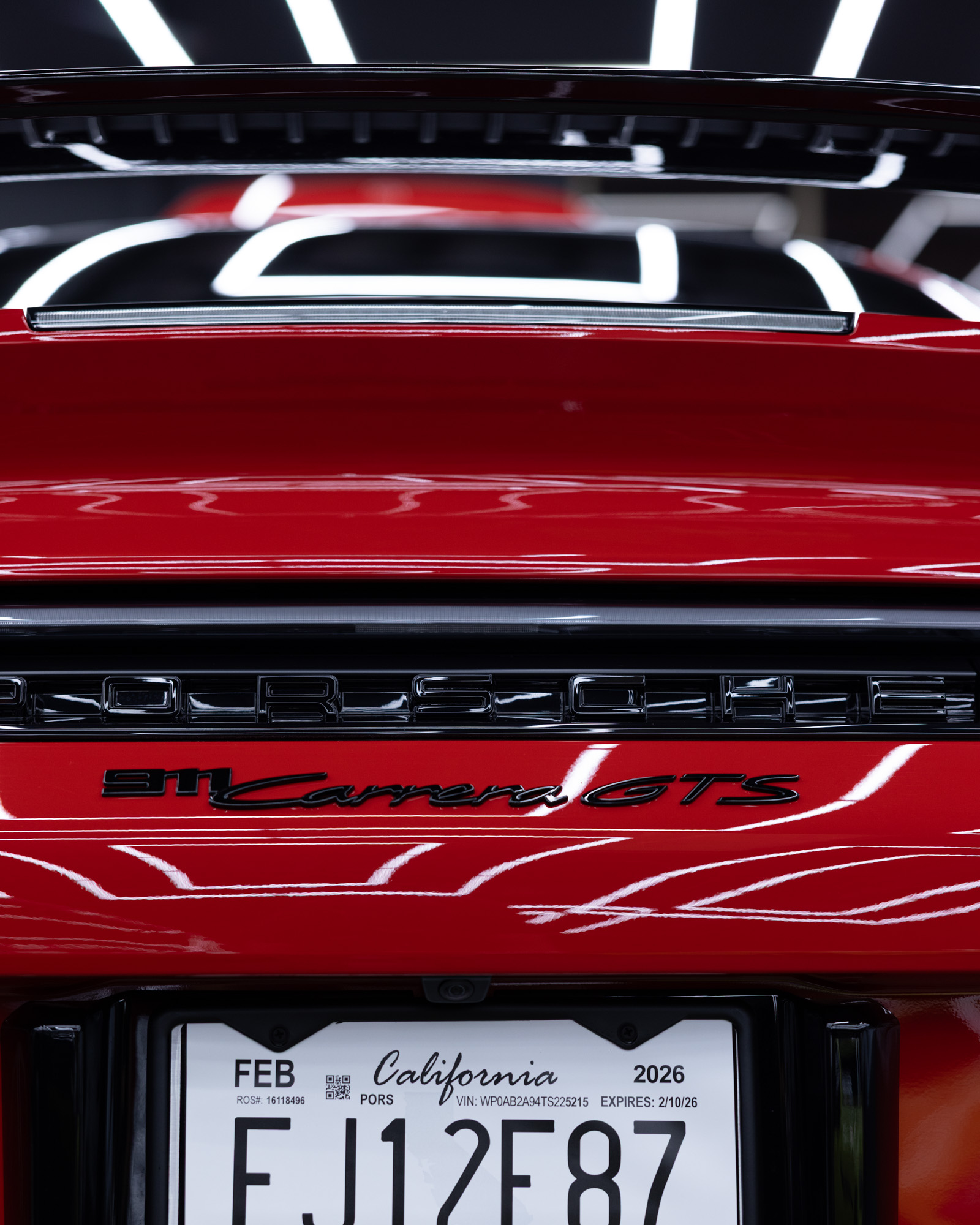
At Bumper2Bumper, we base recommendations on how you actually drive and maintain your vehicle rather than relying on a one-size-fits-all approach.
Specifically, our team evaluates:
-
Driving habits and mileage
-
Parking environment
-
Vehicle type and paint condition
-
Ownership timeline and long-term goals
We also offer:
-
Paint protection film installation using premium materials
-
Ceramic coating options to improve durability and ease of cleaning
-
Auto detailing to properly prep paint before installation
-
Support for vehicles with prior bumper repair or dent repair history
Because we serve , Thousand Oaks, Agoura Hills, Oak Park, Calabasas, and the Conejo Valley, our focus remains on precision, protection, and consistent results.
What Customers Can Expect
-
Consultation: Clear discussion of coverage options and goals
-
Transparent recommendations: No over- or under-selling
-
Professional installation: Clean edges and consistent coverage
-
Maintenance guidance: Ongoing support to help maximize film lifespan
As a result, customers can make confident decisions without unnecessary pressure.
Conclusion
Ultimately, both full car wraps and partial wraps offer valuable protection. However, the right choice depends on how you use your vehicle and what you want to protect. While partial wraps deliver targeted defense where damage occurs most often, full car wraps provide broader, long-term coverage across most painted surfaces.
At Bumper2Bumper, our experience with paint protection film, ceramic coating, auto detailing, bumper repair, and post-collision care allows us to support your vehicle well beyond installation day. Whether you service your vehicle through a BMW body shop process, a body shop for Tesla, or general auto care, we maintain the same focus on precision, protection, and consistent results.
Contact Bumper2Bumper for expert auto care that keeps your car looking its best — inside and out.