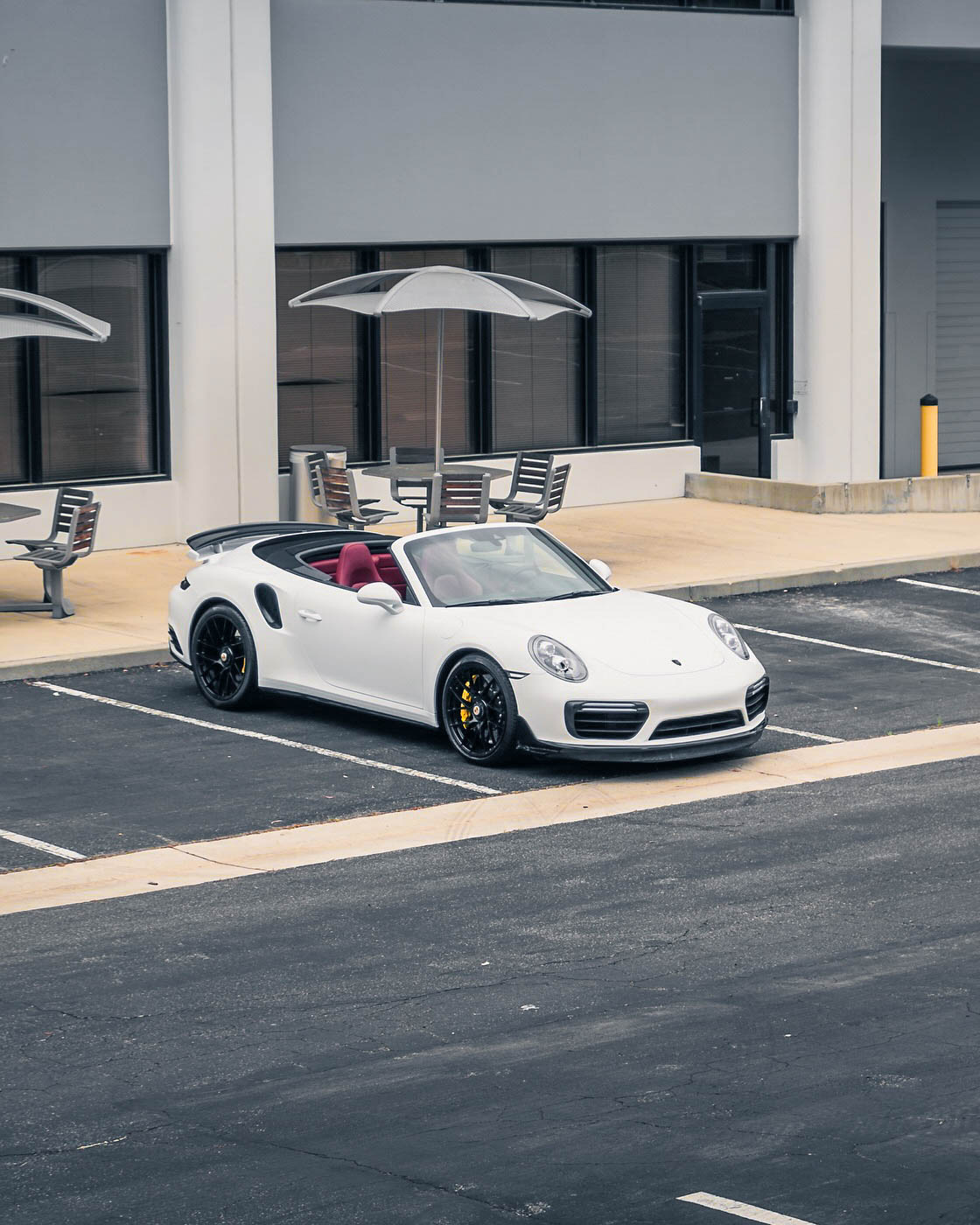
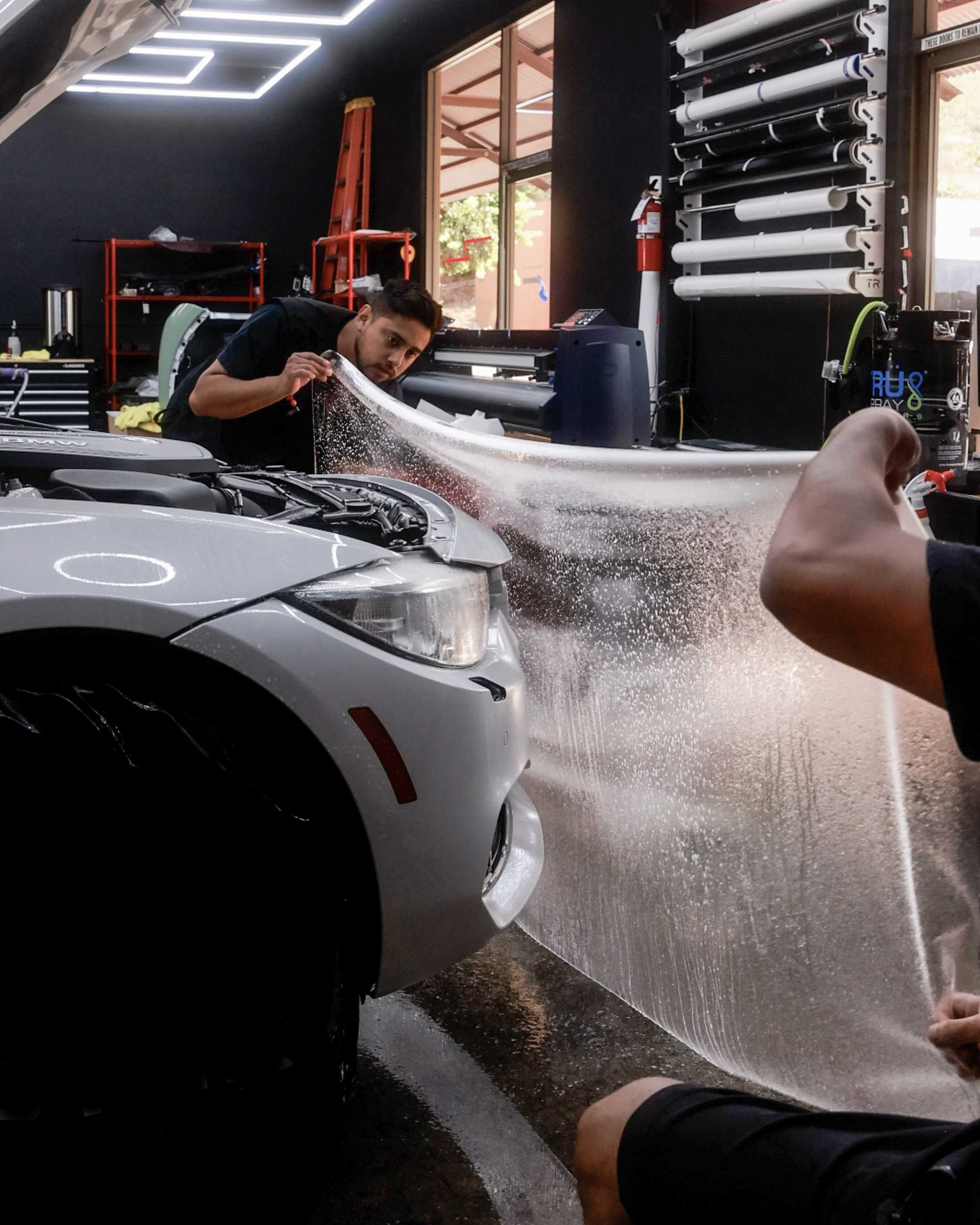
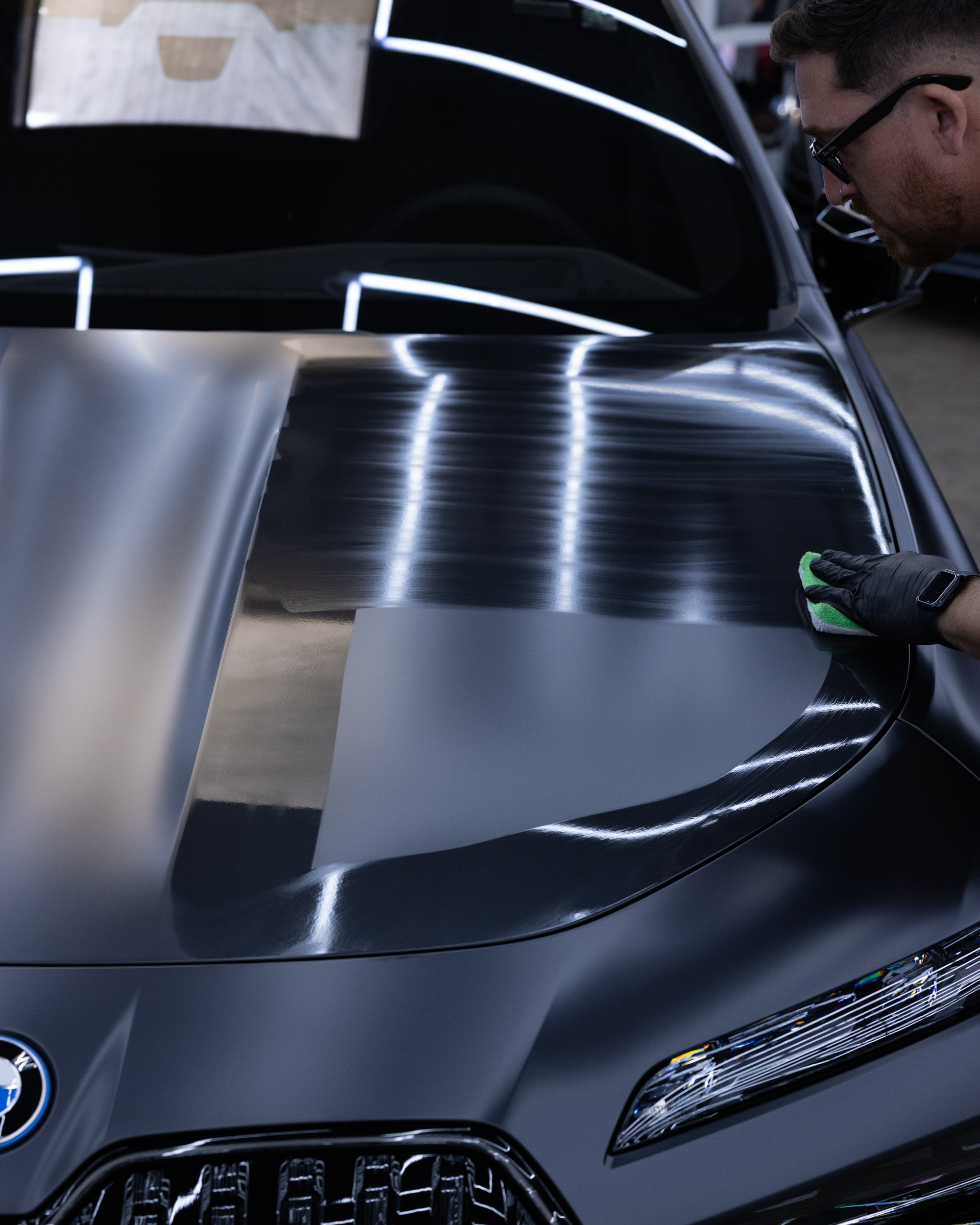
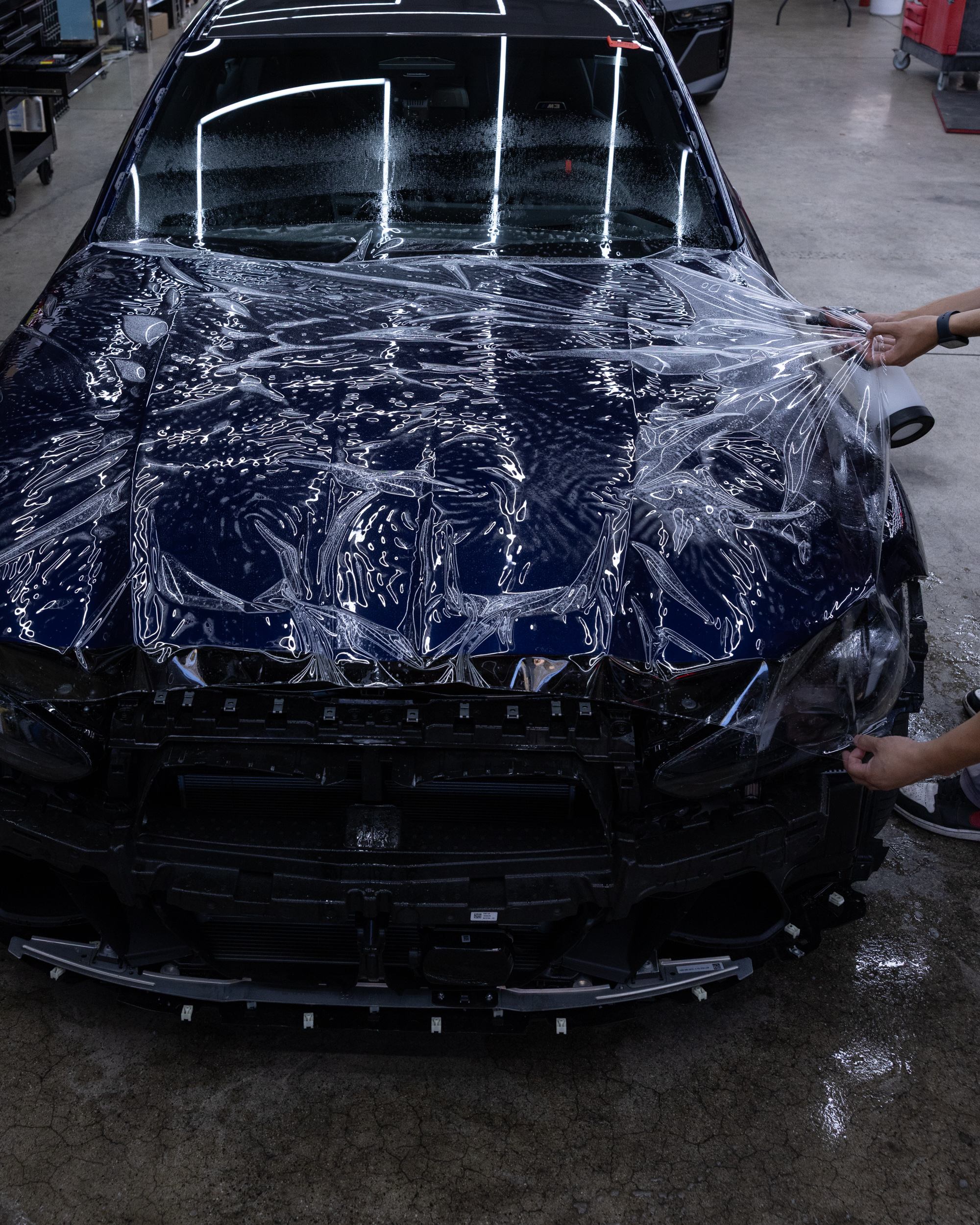
How Often Should You Get Your Car Detailed in Westlake Village?

Sun exposure, freeway driving, and canyon dust make vehicle maintenance different in Southern California. For drivers in Westlake Village and the Conejo Valley, understanding how often to schedule auto detailing helps protect paint, preserve interiors, and reduce long-term wear.


Why Detailing Frequency Matters in Westlake Village
auto detailing WestlakeUnlike colder or wetter climates, vehicles in Westlake Village are exposed to year-round sun, dry air, and airborne dust. Over time, constant UV exposure accelerates paint fading and clear-coat breakdown, while fine dust and debris gradually abrade exterior surfaces during daily driving.

According to Consumer Reports, regular washing and seasonal hand-waxing play a critical role in protecting a vehicle’s finish from environmental contaminants such as tree sap, bird droppings, and road debris—all of which can dull paint and create surface scratches if left untreated.

Because of these conditions, maintaining a consistent auto detailing schedule is not just about appearance. In Southern California, it is a practical investment in long-term paint protection, surface integrity, and vehicle value, helping prevent premature wear caused by the local climate.


General Rule: How Often Most Cars Should Be Detailed

While every vehicle is different, most drivers benefit from routine detailing rather than waiting until damage becomes visible.

In general:

  • Exterior detailing: every 4–6 months

  • Interior detailing: every 6–12 months

These intervals help manage buildup before it bonds permanently to surfaces.


Seasonal Detailing Tips for Southern California

Spring: Remove Environmental Buildup

Spring detailing helps remove:

  • Dust and road film

  • Pollen and environmental fallout

This process refreshes the paint and prepares it for increased sun exposure in the months ahead.


Summer: Protect Against Sun and Heat
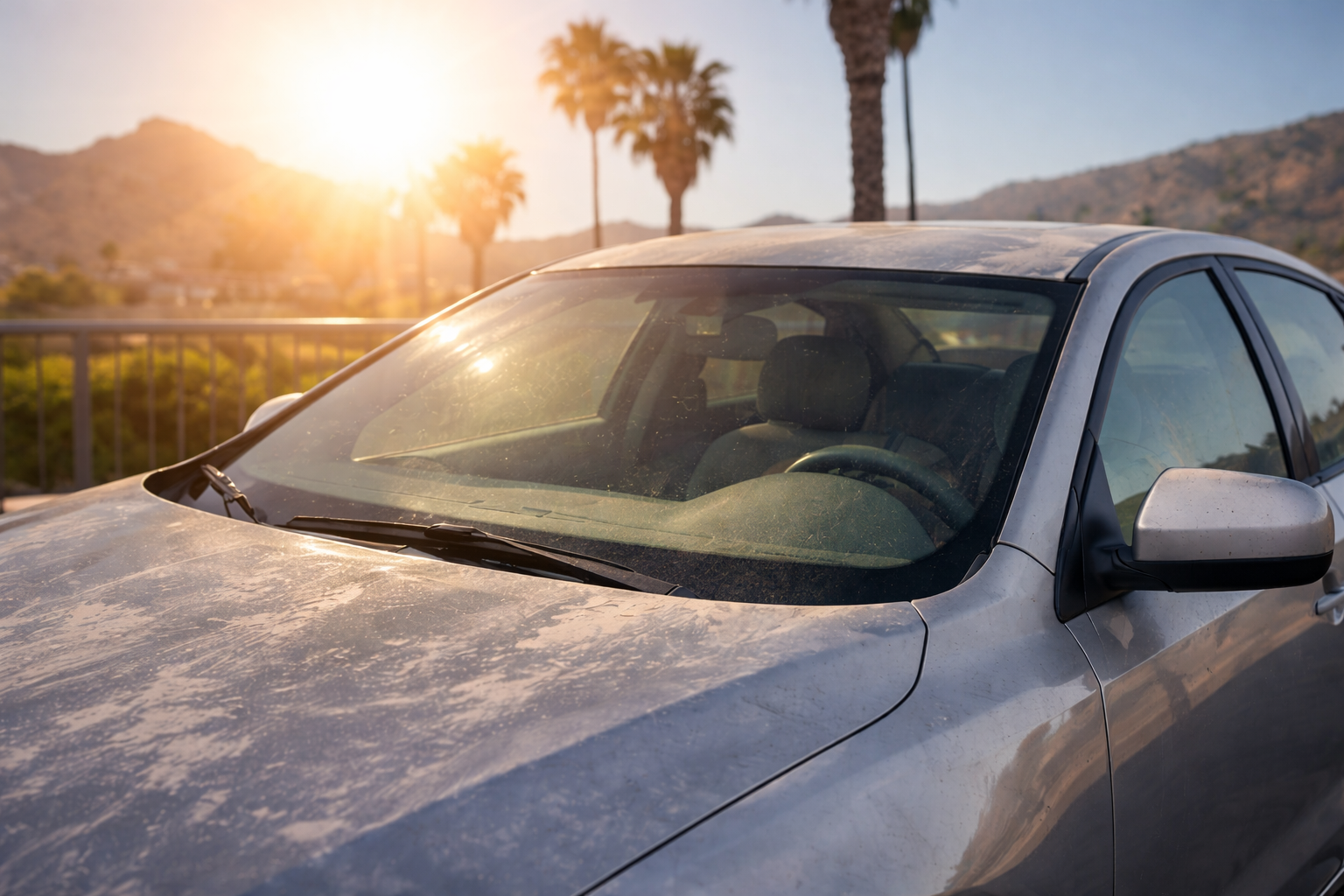
Summer: Protect Against Sun and HeatSummer places the greatest strain on vehicle surfaces. Prolonged heat and UV exposure can accelerate paint oxidation and interior material aging.

According to Edmunds, vehicles consistently exposed to direct sunlight outdoors necessitate regular maintenance, including frequent washing and interior detailing, to prevent contaminants from damaging the finish and natural oils from diminishing in leather and upholstery.

As a result, summer detailing is often paired with protective services such as ceramic coatings or paint protection film.


Fall: Address Dust and Daily Driving Wear
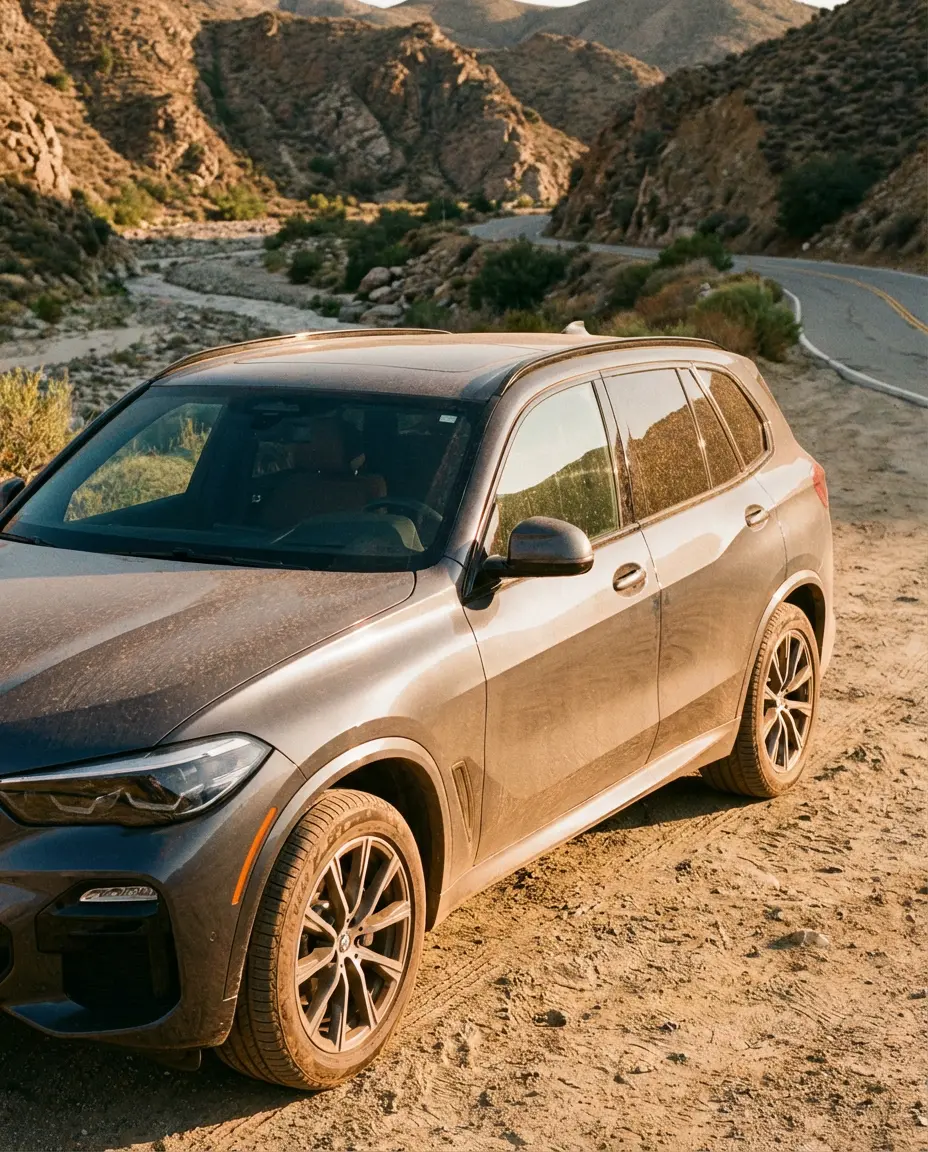
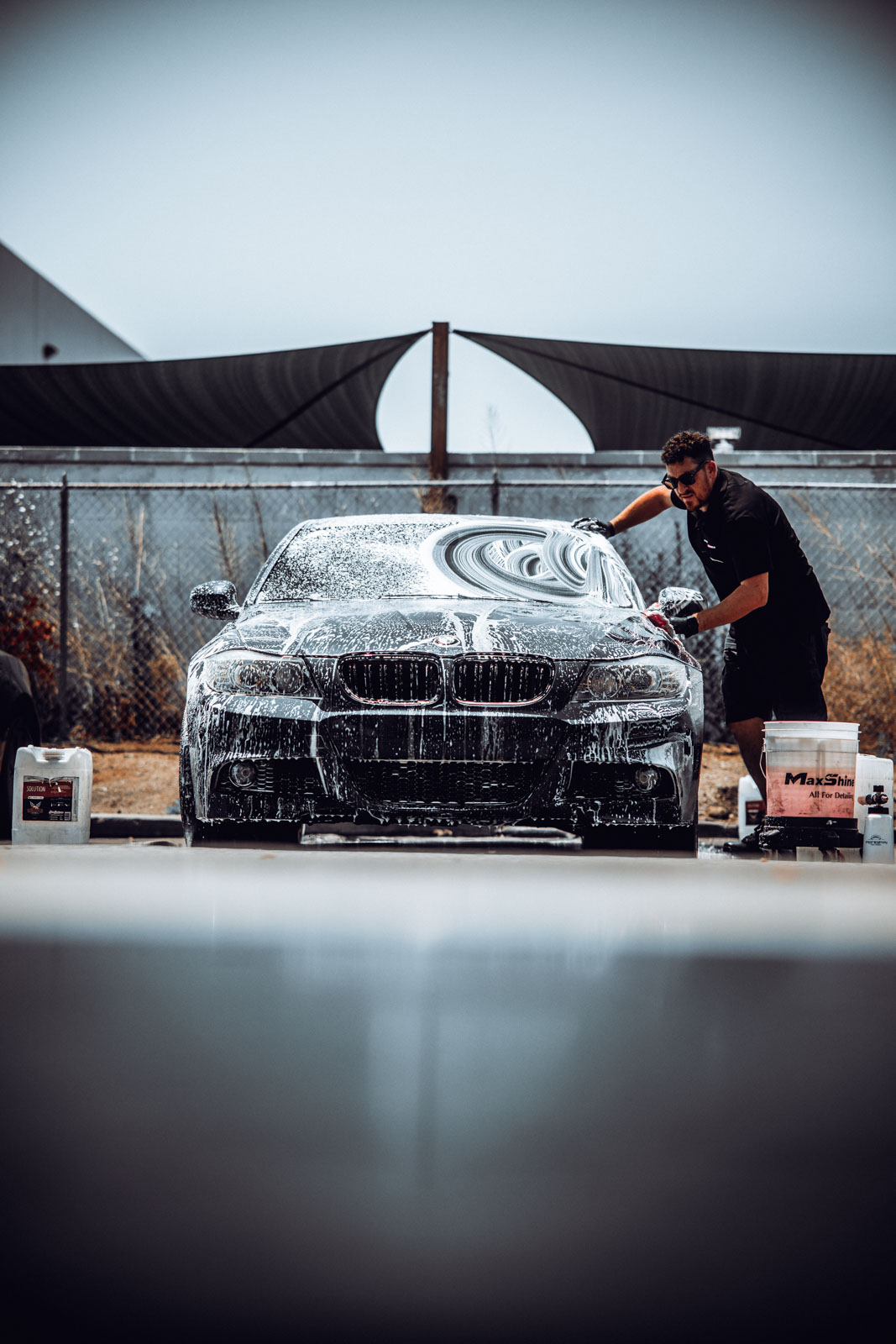
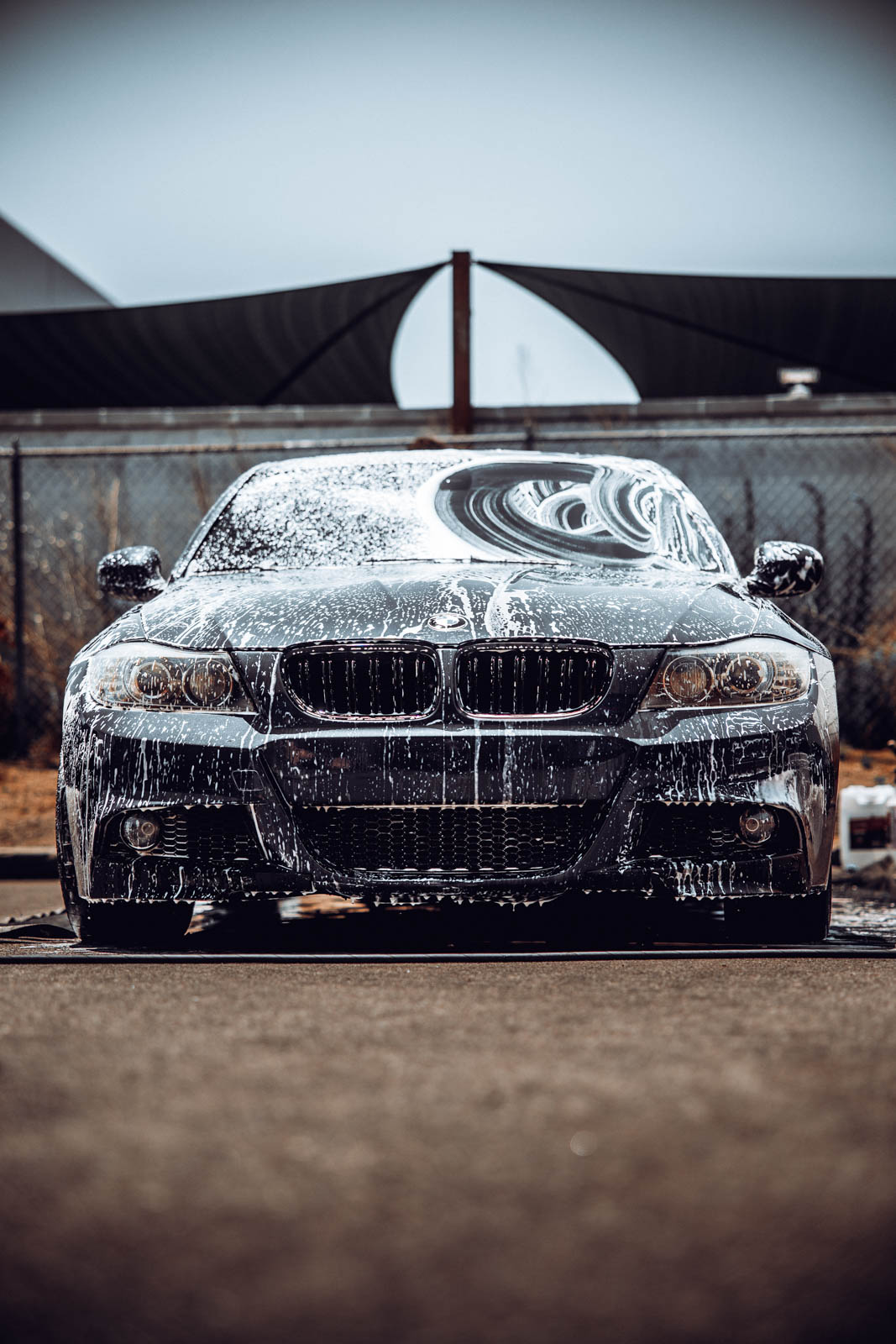
Address Dust and Daily Driving Wear BMWAs temperatures cool, dust from canyon roads and freeway construction becomes more noticeable. Fall detailing removes embedded contaminants and restores clarity after heavy summer use.


Winter: Maintain, Do Not Neglect

Even in mild winters, moisture and grime accumulate. While a full detail may not always be required, maintenance-level detailing helps keep protective layers working effectively.


How Driving Habits Affect Detailing Frequency

Beyond seasonal changes, how a vehicle is used also matters.

You may benefit from more frequent detailing if:

  • Your car is parked outdoors

  • You commute daily on the freeway

  • You drive canyon roads often

  • You transport pets or children

Neglecting regular car maintenance, such as cleaning the interior and exterior, can lead to significant damage over time. Road grit, bird droppings, and tree sap can corrode the car’s finish, while uncleaned interiors can develop permanent stains, mold, and odors.. For more details, visit Consumer Reports.

What Happens If You Wait Too Long Between Details

Delaying detailing does more than affect appearance. Over time:

  • Contaminants bond more tightly to paint

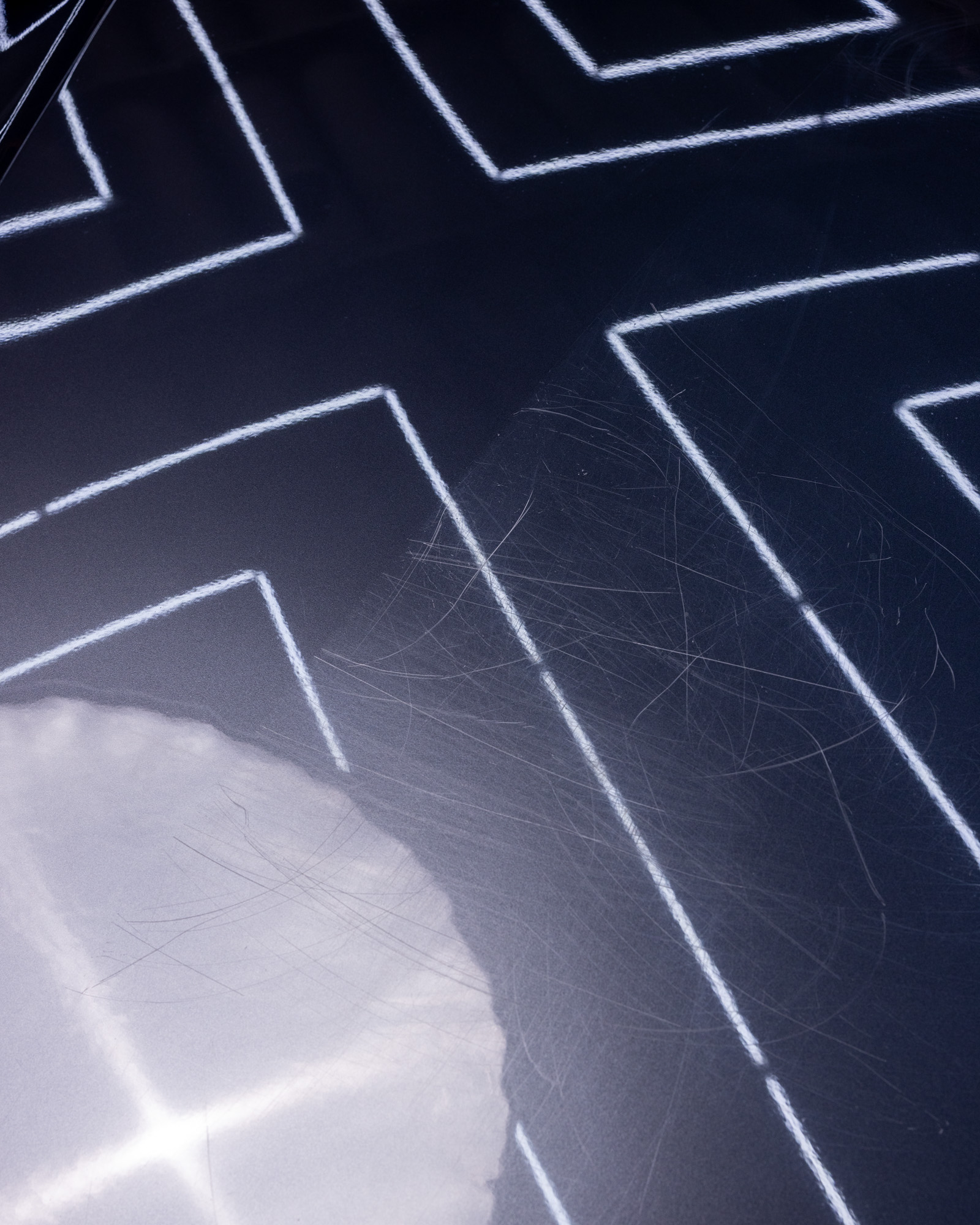
  • Light scratches become harder to correct

  • Interior stains and odors set permanently

According to Edmunds, ignoring minor issues like paint oxidation or interior wear can lead to significantly more complex and expensive repairs as the vehicle ages. Proactive maintenance, such as keeping the car clean and addressing small problems immediately, is recommended to avoid the high costs associated with deep paint correction or replacing damaged components.

How Bumper2Bumper Helps You Stay on Schedule

At Bumper2Bumper, auto detailing is treated as preventative vehicle care, not just cosmetic cleaning. Our detailing services are tailored to real-world driving conditions throughout Westlake Village, Thousand Oaks, Agoura Hills, Oak Park, and Calabasas.

Whether your vehicle needs:

  • A full interior and exterior reset

  • Seasonal maintenance

  • Interior-focused detailing

  • Preparation for ceramic coating or paint protection film

Our team helps you choose a schedule that fits how your vehicle is actually driven.


What Customers Can Expect

  • Clear guidance on recommended detailing frequency

  • Services matched to seasonal conditions

  • Safe cleaning methods and professional-grade products

  • Consistent results that support long-term value

By maintaining a regular detailing routine, drivers reduce wear and protect both appearance and comfort.


Conclusion

So, how often should you get your car detailed in Westlake Village? For most drivers, exterior detailing every 4–6 months and interior detailing once or twice a year provides reliable protection. However, sun exposure, dust, and daily driving often justify more frequent care.

Choosing Bumper2Bumper means choosing experience, precision, and local expertise. With more than 20 years serving the Conejo Valley, our team understands how Southern California conditions affect vehicles and how to protect them properly.

Contact Bumper2Bumper for expert auto care that keeps your car looking its best — inside and out.
What Is Auto Detailing?

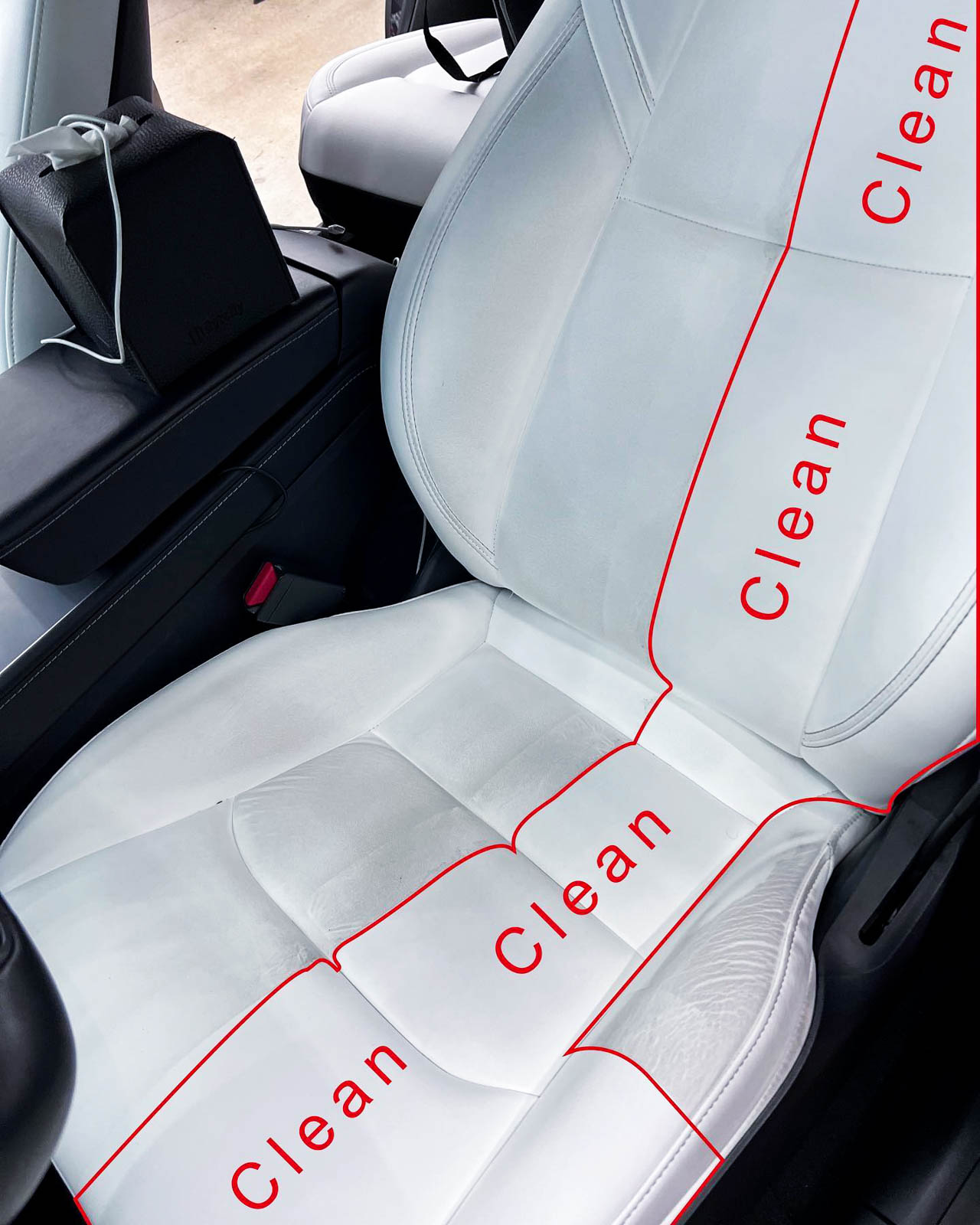
What is auto detailing? Many drivers assume it is just a more thorough car wash. However, auto detailing goes far beyond surface cleaning. It focuses on deep cleaning, correcting, and protecting both the interior and exterior of your vehicle. Understanding what auto detailing really involves helps Westlake Village drivers make smarter decisions about long-term vehicle care and preservation.


What Is Auto Detailing Compared to a Basic Car Wash?

A basic car wash removes loose dirt and grime from the exterior. In contrast, auto detailing addresses deeper contamination, surface wear, and long-term protection.


What Does Professional Auto Detailing Include?

Professional auto detailing includes specialized interior and exterior processes designed to restore and protect your vehicle rather than just clean it.

Exterior

auto detailing vs car wash

Exterior auto detailing focuses on safely cleaning, correcting, and protecting painted surfaces to reduce long-term wear from sun exposure, road debris, and environmental contaminants.

Interior

Interior auto detailing targets embedded dirt, stains, odors, and bacteria to restore comfort, cleanliness, and hygiene throughout the cabin.


Why it Matters

While a car wash improves appearance temporarily, auto detailing improves vehicle condition and helps preserve long-term value.


Bumper2Bumper Options

Full Vehicle Refresh
A comprehensive interior and exterior detailing service designed to restore overall appearance and support long-term protection. Ideal for vehicles that need a full reset or have not been detailed recently.


Mini Detail

Quick Refresh
A lighter detailing option perfect for maintaining cleanliness and appearance between full services. Great for drivers who want a clean look without a long service time.


Interior Detail

Cabin-Focused Cleaning
An interior-only detailing service that cleans, refreshes, and sanitizes the cabin. Recommended for daily drivers or vehicles with interior buildup, odors, or stains.

Want to compare options or see which detail fits your vehicle best?
View our auto detailing services


Conclusion

So, what is auto detailing? It is a comprehensive approach to vehicle care that goes far beyond a simple wash. By cleaning, correcting, and protecting your car inside and out, auto detailing in Westlake Village helps maintain appearance, comfort, and long-term value—especially in areas exposed to strong sun, freeway driving, and outdoor parking throughout the Conejo Valley.

According to Consumer Reports, regular cleaning and the use of protective treatments can help reduce long-term paint wear caused by UV exposure and environmental contaminants.

Edmunds also notes that proper exterior and interior care plays a key role in preserving a vehicle’s condition over time, particularly for drivers who park outdoors or commute regularly.

Choosing Bumper2Bumper means choosing experience, precision, and trusted local service. With more than 30 years serving Westlake Village and surrounding communities, our team uses professional techniques, premium products, and careful attention to detail to deliver consistent, high-quality results. Whether your vehicle needs a full detail, interior refresh, or preparation for paint protection film or ceramic coating, Bumper2Bumper provides auto care you can rely on.

Contact Bumper2Bumper for expert auto detailing in Westlake Village that keeps your car looking its best — inside and out.

PPF in Westlake Village

What Areas of Your Car Need the Most PPF in Westlake Village?

Freeway driving, canyon roads, and strong sun exposure make certain parts of your vehicle far more vulnerable than others. For drivers in Westlake Village and the Conejo Valley, knowing which areas of your car need PPF in Westlake Village the most helps you protect what matters, avoid unnecessary costs, and keep your paint looking great. Below, we break down the high-impact zones that benefit most from paint protection film—and why.


Why Some Areas of Your Car Need PPF More Than Others

Paint protection film (PPF) is a clear polyurethane layer designed to shield automotive paint from rock chips, scratches, road debris, and environmental exposure. According to Forbes, PPF works as a sacrificial barrier, absorbing damage before it reaches the factory paint and helping reduce long-term cosmetic deterioration.

However, not every panel experiences the same level of wear. Because airflow, impact angles, and sun exposure vary across the vehicle, certain areas accumulate damage faster and benefit more from early protection.


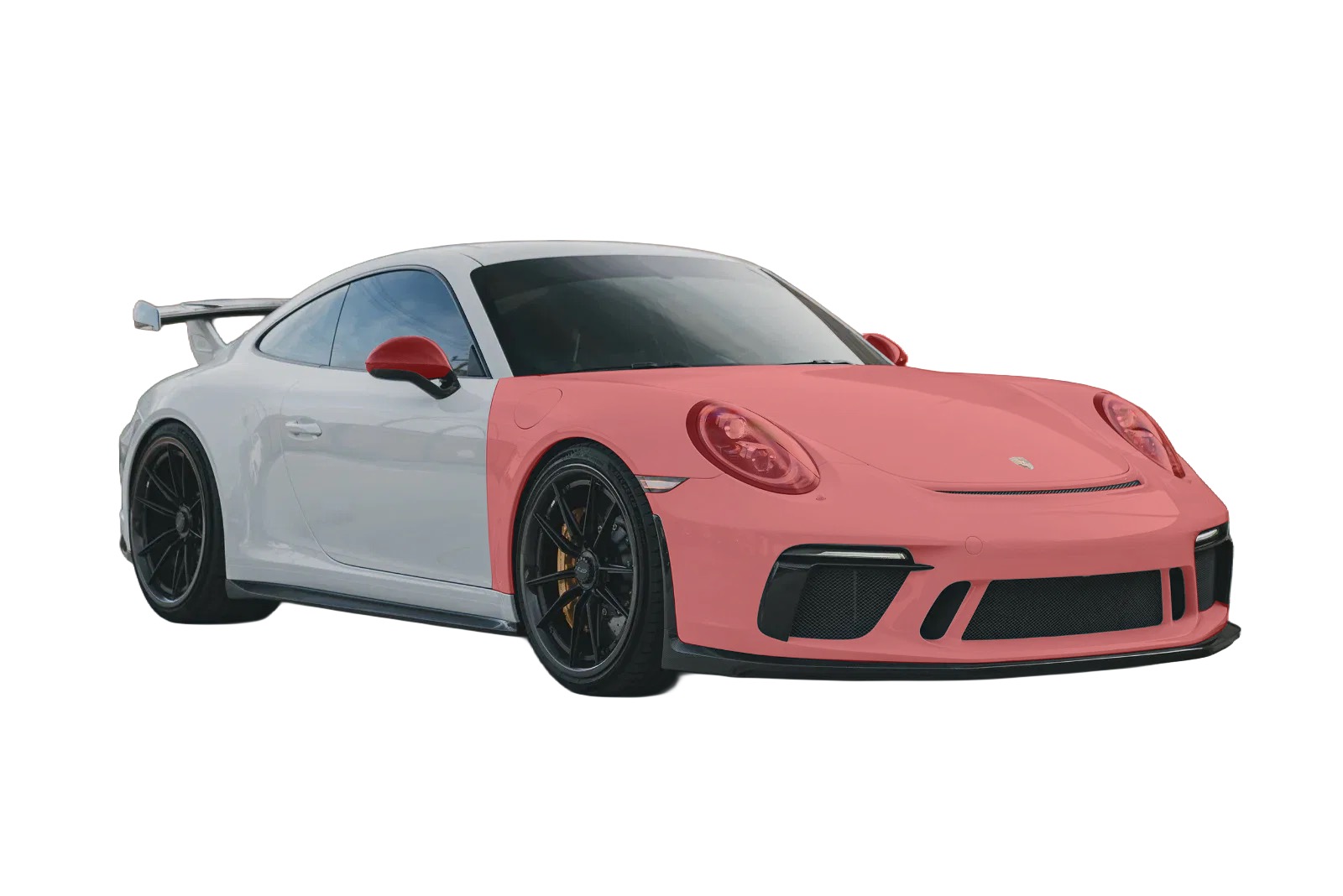
Front Bumper: The Most Impacted Area on Westlake Village Roads

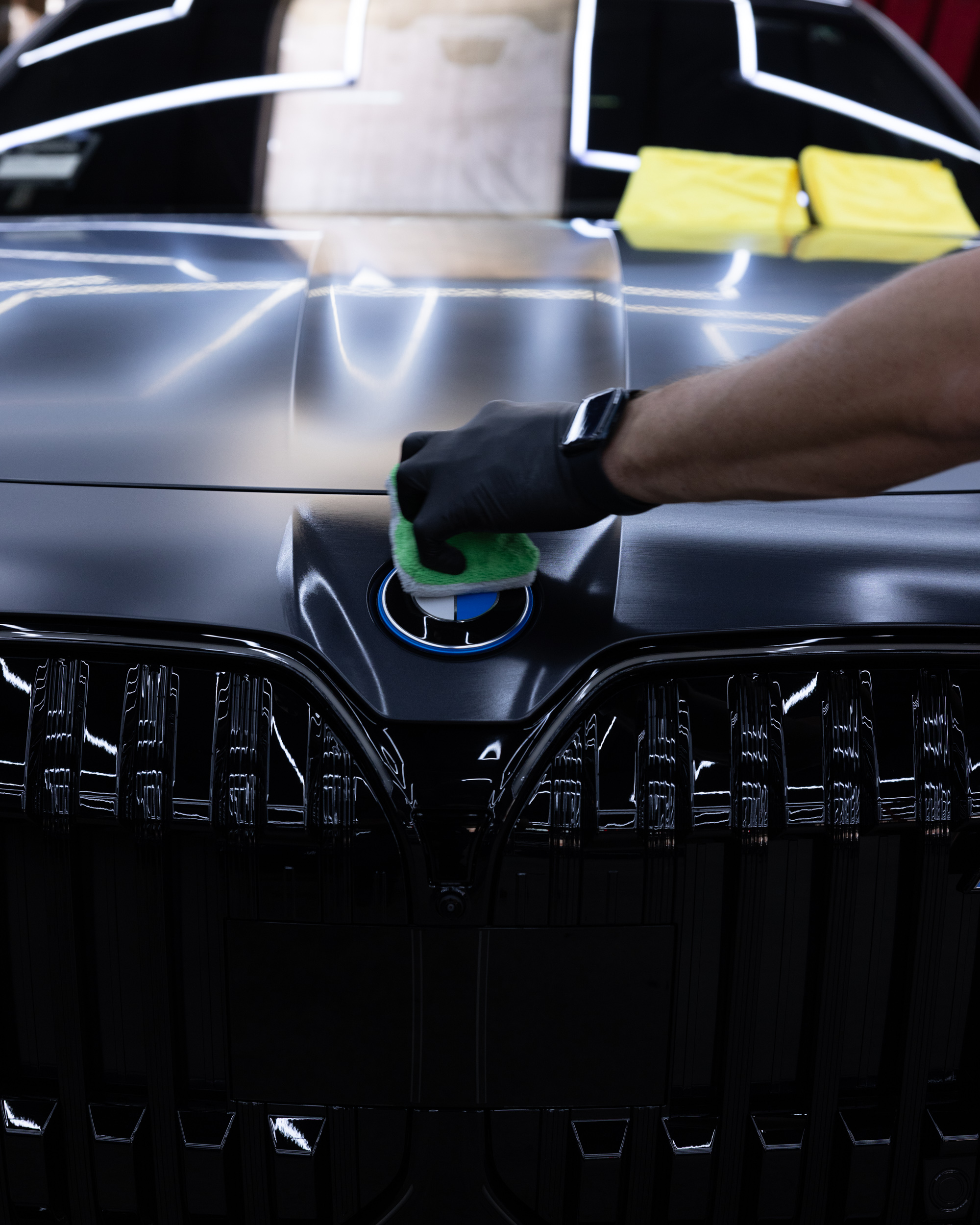
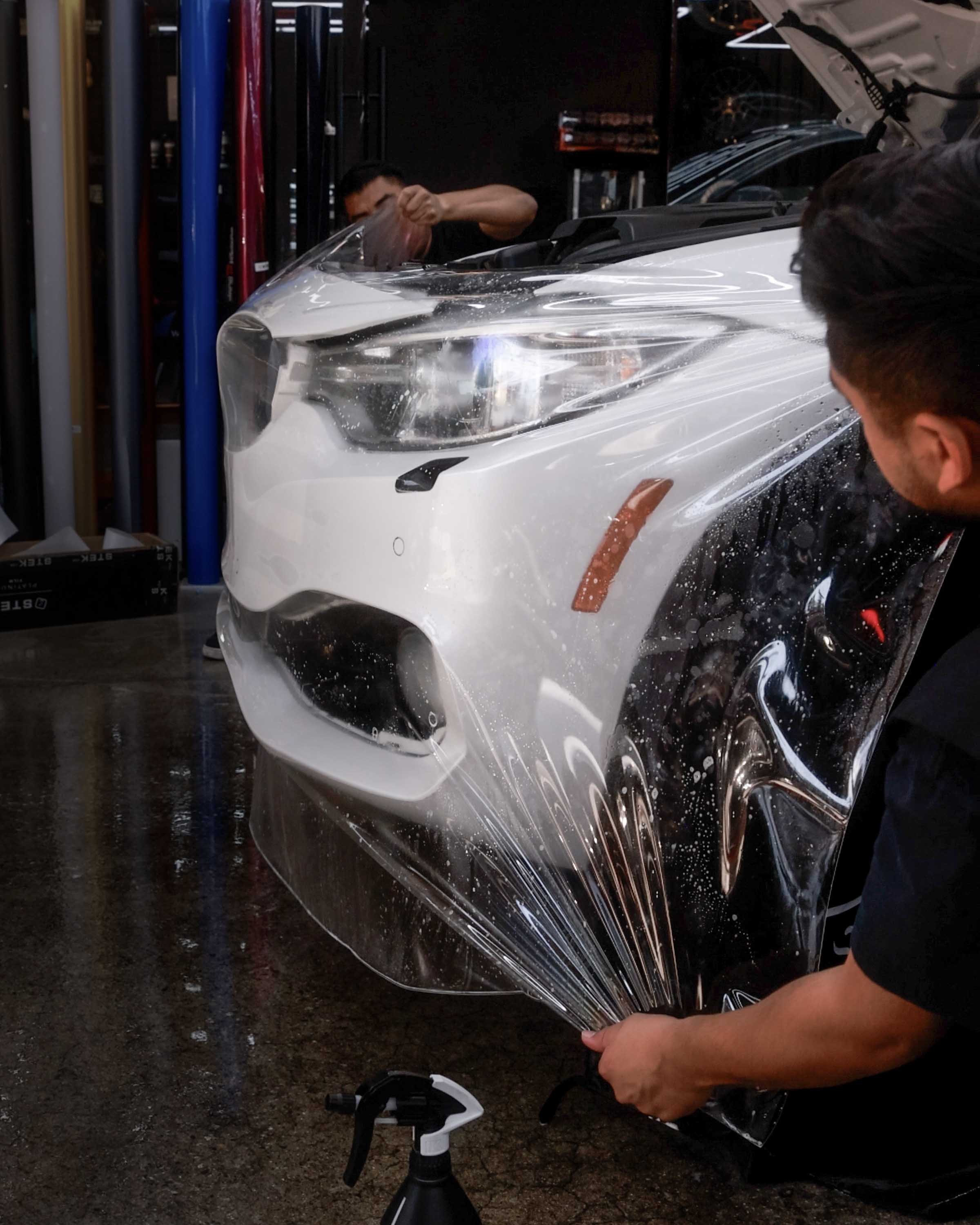
ppf Westlake villageThe front bumper absorbs the majority of debris impact during freeway and canyon driving around Westlake Village. Kelley Blue Book explains that front-facing surfaces take the brunt of road debris due to forward motion and airflow patterns.

Why the front bumper needs PPF the most:

  • Constant exposure to rocks and debris at highway speeds

  • Complex curves that chip easily

  • High repaint and refinishing costs

As a result, front bumper PPF often provides the most immediate and visible benefit.


Hood: Constant Exposure to Debris and UV Damage

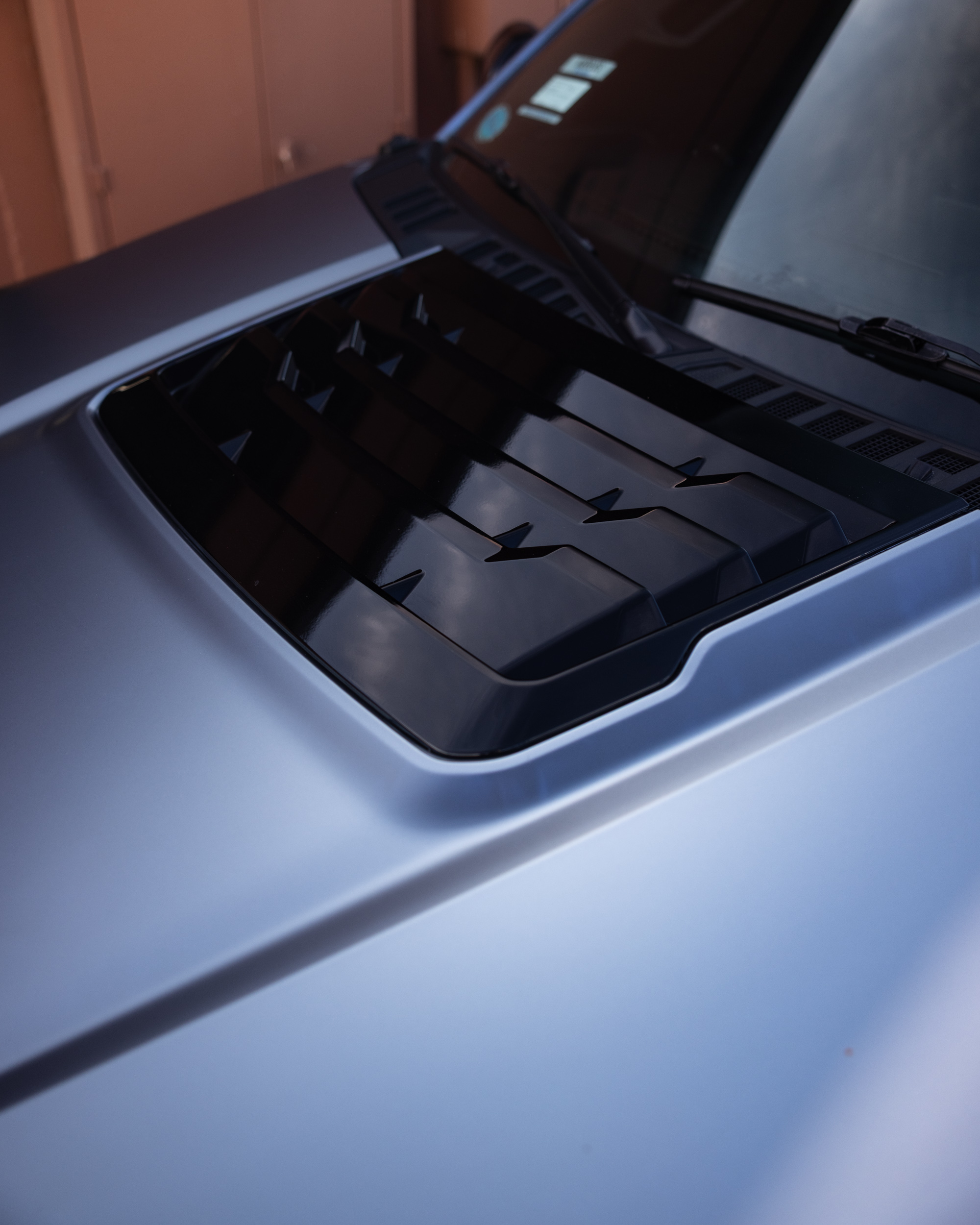
Because the hood sits flat and forward-facing, it remains highly vulnerable to rock chips, bug splatter, bird droppings, and prolonged sun exposure. Kelley Blue Book notes that UV exposure and environmental fallout accelerate paint oxidation and clear-coat wear over time.

Therefore, applying PPF to the hood helps slow visible aging and preserve paint clarity—especially in Southern California’s sun-heavy climate.


Front Fenders: Frequently Overlooked, Frequently Damaged

Front fenders take repeated hits from debris kicked up by the front tires. Although this damage often appears gradually, it can disrupt paint uniformity and complicate future paint matching.

BMW USA highlights the importance of protecting wheel-adjacent body panels as part of proper exterior care and finish preservation.

Because of this exposure, fenders benefit greatly from PPF when included with bumper and hood coverage.


Side Mirrors: Small Panels with High Replacement Cost

Side mirrors frequently suffer from rock strikes, lane-adjacent debris, and tight parking contact. Tesla’s vehicle care guidance emphasizes the need for careful exterior protection to maintain painted components in good condition.
Source: https://www.tesla.com/support/vehicle-care

Since mirror housings are expensive to repaint or replace, PPF provides a practical way to reduce cosmetic damage in this high-risk area.


Rocker Panels: Hidden Damage from Canyon and Freeway Driving

Rocker panels sit low along the vehicle’s sides and absorb debris thrown backward by rotating tires. Kelley Blue Bookidentifies rocker panels as one of the most commonly chipped areas, especially on vehicles driven in mixed road conditions.
Source: https://www.kbb.com/car-advice/car-paint-protection/

Because rocker panel damage often goes unnoticed until it becomes severe, early PPF installation plays an important preventive role.


Rear Bumper: Parking and Loading Wear

Although rear bumpers see less airborne debris, they frequently suffer scratches from trunk loading, grocery carts, and tight parking spaces. BMW USA notes that rear bumper scuffing is among the most common cosmetic issues on daily-driven vehicles.
Source: https://www.bmwusa.com/owners/service-and-parts/care-and-cleaning.html

For this reason, rear bumper PPF is commonly recommended for sedans, SUVs, and family vehicles alike.


Which Areas Should You Prioritize First?

If full-vehicle coverage is not the goal, prioritizing high-impact zones delivers the greatest return.

Most drivers start with:

  1. Front bumper

  2. Hood

  3. Front fenders

  4. Side mirrors

  5. Rocker panels

This strategy balances cost and protection while addressing the areas most likely to show damage over time.


Why These Areas Matter More in Westlake Village

Driving conditions throughout Westlake Village, Thousand Oaks, Agoura Hills, Oak Park, and Calabasas expose vehicles to:

  • Freeway debris and construction zones

  • Canyon road gravel

  • Year-round sun exposure

  • Frequent outdoor parking

Forbes confirms that sun exposure combined with airborne debris accelerates paint wear, particularly in Southern California environments.
Source: https://www.forbes.com/sites/kbrauer/2019/03/04/paint-protection-film-ppf-investment-in-your-cars-future/

Consequently, prioritizing high-impact areas with PPF helps counter these local conditions.


How Bumper2Bumper Helps Protect High-Impact Areas

At Bumper2Bumper, paint protection film coverage is tailored to real-world driving conditions rather than generic packages.

Our services include:

  • Paint protection film installation using premium materials

  • Ceramic coating options to improve durability and ease of cleaning

  • Auto detailing and paint correction prior to installation

  • Support for vehicles with prior bumper repair or dent repair history

By evaluating how and where your vehicle is driven, our team helps you choose coverage that protects long-term value.


What Customers Can Expect

  • Consultation: Clear discussion of high-impact areas and goals

  • Coverage options: Partial or expanded protection based on use

  • Professional installation: Clean edges and consistent coverage

  • Maintenance guidance: Best practices to extend film lifespan

As a result, customers receive protection aligned with real usage—not guesswork.


Conclusion

While every painted surface benefits from protection, some areas of your car need PPF more than others. Front bumpers, hoods, fenders, mirrors, rocker panels, and rear bumpers face the greatest risk on Westlake Village roads. PPF Westlake Village solutions focus on prioritizing these high-impact zones to help preserve appearance, reduce wear, and protect long-term value.

At Bumper2Bumper, our experience with paint protection film, ceramic coating, auto detailing, bumper repair, and post-collision care allows us to support your vehicle well beyond installation day.

Contact Bumper2Bumper for expert auto care that keeps your car looking its best — inside and out.
Full Car Wrap vs. Partial Wrap | Paint Protection Film Westlake Village

Full Car Wrap vs. Partial Wrap

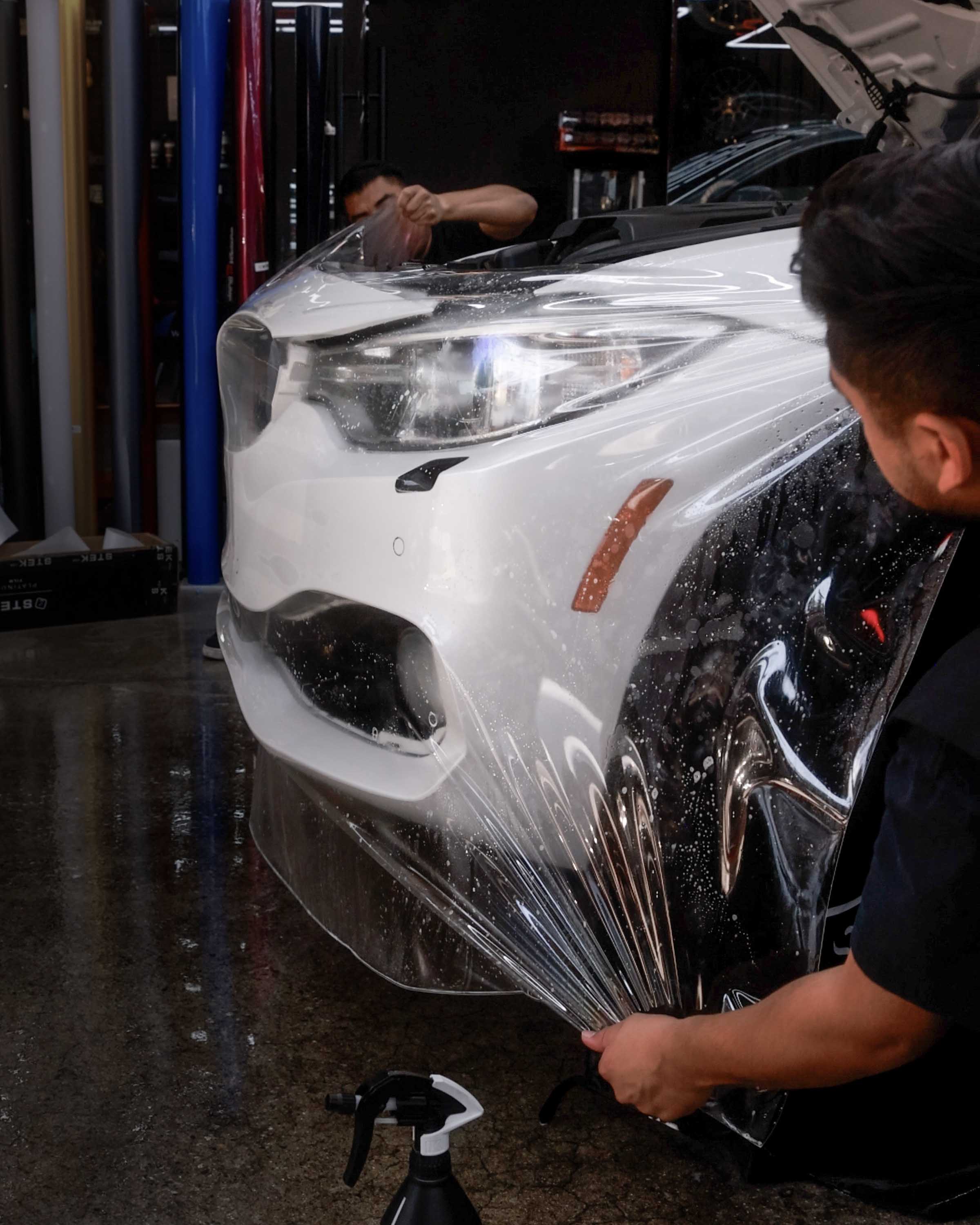
Deciding between full car wraps vs. partial wraps often comes down to how you drive, where you park, and how long you plan to keep your vehicle. For drivers in Westlake Village and the Conejo Valley, choosing the right level of paint protection film can significantly impact long-term appearance and maintenance. Below, we break down how full car wraps vs. partial wraps compare and explain which option is worth it for your car.


Understanding Paint Protection Film Coverage Options

Understanding Paint Protection Film Coverage Options

Paint protection film (PPF) protects painted surfaces from rock chips, scratches, road debris, and environmental exposure. According to Forbes, PPF works as a sacrificial layer that absorbs impact and wear before damage reaches the vehicle’s paint, which helps reduce long-term cosmetic deterioration.

Although both full and partial wraps use the same high-quality materials, the difference lies in how much of the vehicle receives protection. As a result, coverage choice plays a major role in durability, appearance, and upkeep.


What Is a Partial Wrap?

A partial wrap focuses on high-impact areas that experience the most damage during everyday driving. Because road debris typically strikes the front of a vehicle first, installers concentrate protection where it matters most.

Common areas included in a partial wrap:

  • Front bumper

  • Hood (partial or full)

  • Front fenders

  • Side mirrors

  • Headlights

As Kelley Blue Book explains, front-facing surfaces absorb the majority of highway debris, which makes targeted protection a practical solution for many daily drivers.

Therefore, partial wraps often appeal to drivers who want meaningful protection while keeping costs controlled.


What Is a Full Car Wrap?

What Is a Full Car Wrap?

By contrast, a full car wrap protects nearly all major painted exterior surfaces, including:

  • Hood and front bumper

  • Fenders and doors

  • Quarter panels

  • Rocker panels

  • Rear bumper

Because this approach covers most painted panels, it provides consistent protection across the vehicle. Additionally, Forbes notes that full PPF coverage helps simplify long-term paint maintenance when most surfaces share the same protective layer.

For this reason, drivers who prioritize uniform appearance and long-term preservation often lean toward full coverage.


Full Car Wrap vs. Partial Wrap: Side-by-Side Comparison

Feature Partial Paint Protection Film Wrap Full Paint Protection Film Wrap
Areas Protected High-impact zones (front bumper, hood, fenders, mirrors, headlights) Nearly all major painted exterior surfaces
Protection Level Targeted protection where damage occurs most often Broad protection across most painted panels
Appearance Film edges may be visible on select panels Seamless, uniform appearance
UV Exposure Protection Limited to covered areas UV protection across most painted surfaces
Long-Term Paint Preservation Reduces wear in key impact zones Helps preserve overall paint condition long term
Maintenance Consistency Mixed care for protected vs. unprotected paint Simplified maintenance due to uniform coverage
Best For Leased vehicles, short-term ownership, budget-focused drivers Long-term ownership, resale-conscious drivers
Cost Range Lower initial investment Higher upfront investment
Typical Use Case Daily drivers and commuter vehicles Luxury vehicles, EVs, and enthusiast cars

Which Option Makes More Sense in Westlake Village?

Driving conditions in Westlake Village and the Conejo Valley expose vehicles to:

  • Freeway debris from the 101 and 23

  • Canyon road gravel

  • Strong sun and UV exposure

  • Frequent outdoor parking

Notably, Forbes identifies UV exposure and airborne debris as leading contributors to long-term paint degradation, especially in Southern California climates.

Partial wraps often make sense when:

  • The vehicle is leased

  • Driving remains limited or mostly local

  • Budget plays a primary role

Full car wraps, on the other hand, are often worth considering when long-term ownership and paint preservation are priorities, particularly after paint correction or routine auto detailing.


Common Misconceptions About Full and Partial Wraps

“A partial wrap offers the same protection as a full wrap.”

While partial wraps protect the most vulnerable areas, uncovered panels still face scratches, UV damage, and parking lot wear. Consequently, protection remains uneven across the vehicle.

“Full wraps are only for exotic cars.”

In reality, Kelley Blue Book explains that drivers increasingly use PPF on daily drivers, SUVs, and electric vehicles to help preserve paint condition over time—not just on high-performance cars.
Source


How Bumper2Bumper Helps You Choose the Right Option

At Bumper2Bumper, we base recommendations on how you actually drive and maintain your vehicle rather than relying on a one-size-fits-all approach.

Specifically, our team evaluates:

  • Driving habits and mileage

  • Parking environment

  • Vehicle type and paint condition

  • Ownership timeline and long-term goals

We also offer:

  • Paint protection film installation using premium materials

  • Ceramic coating options to improve durability and ease of cleaning

  • Auto detailing to properly prep paint before installation

  • Support for vehicles with prior bumper repair or dent repair history

Because we serve , Thousand Oaks, Agoura Hills, Oak Park, Calabasas, and the Conejo Valley, our focus remains on precision, protection, and consistent results.


What Customers Can Expect

  • Consultation: Clear discussion of coverage options and goals

  • Transparent recommendations: No over- or under-selling

  • Professional installation: Clean edges and consistent coverage

  • Maintenance guidance: Ongoing support to help maximize film lifespan

As a result, customers can make confident decisions without unnecessary pressure.


Conclusion

Ultimately, both full car wraps and partial wraps offer valuable protection. However, the right choice depends on how you use your vehicle and what you want to protect. While partial wraps deliver targeted defense where damage occurs most often, full car wraps provide broader, long-term coverage across most painted surfaces.

At Bumper2Bumper, our experience with paint protection film, ceramic coating, auto detailing, bumper repair, and post-collision care allows us to support your vehicle well beyond installation day. Whether you service your vehicle through a BMW body shop process, a body shop for Tesla, or general auto care, we maintain the same focus on precision, protection, and consistent results.

Contact Bumper2Bumper for expert auto care that keeps your car looking its best — inside and out.
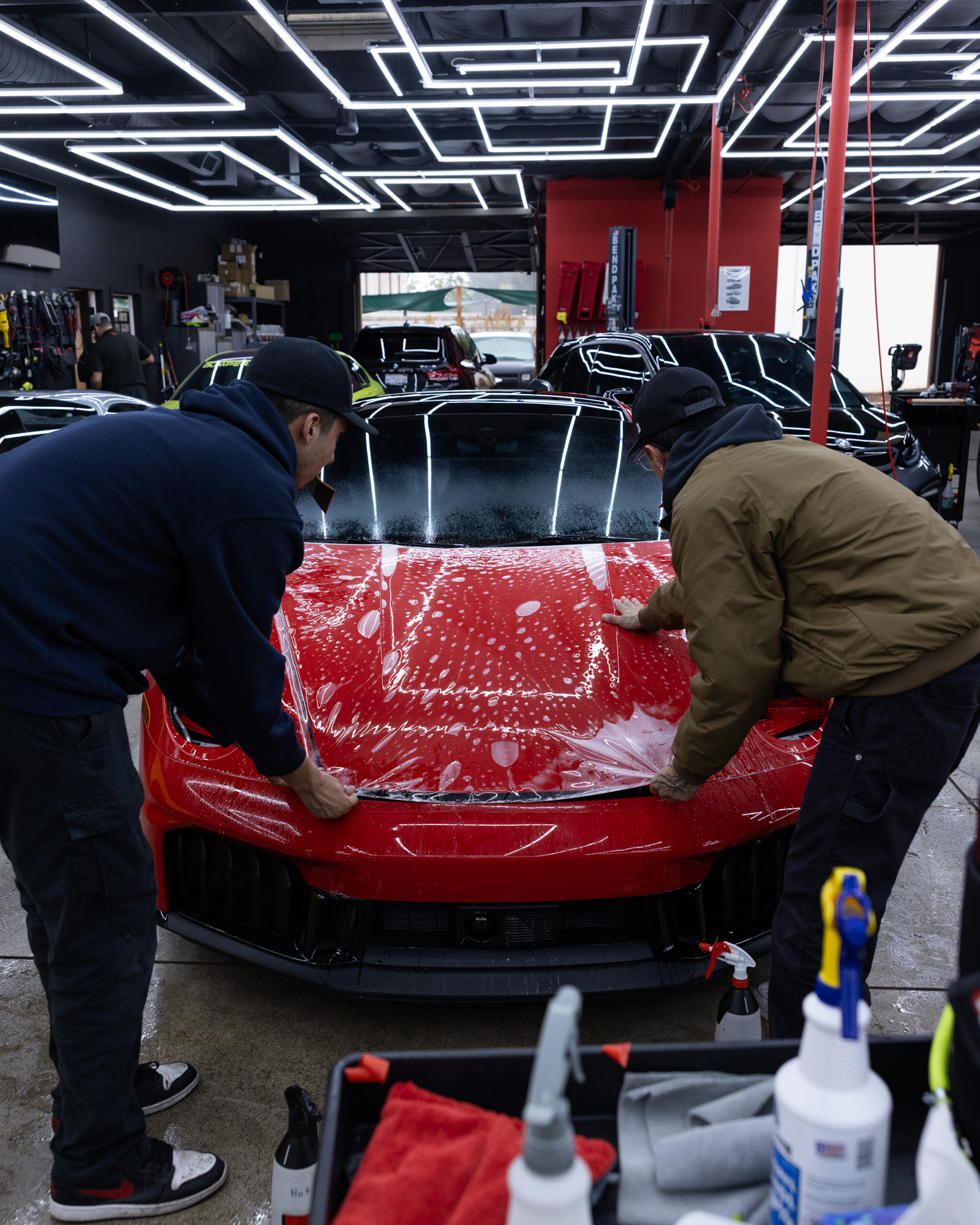
paint protection film maintenance

How to Maintain Your Paint Protection Film (PPF) Installation

Paint protection film is designed to safeguard your vehicle’s paint; however, proper maintenance is essential to keep it performing at its best. From daily driving exposure to long-term wear, caring for PPF correctly not only helps preserve clarity and self-healing performance but also supports long-term resale value. Below, you will find proven, industry-backed best practices on how to maintain your PPF after installation.


Why Proper PPF Maintenance Matters

Paint protection film (PPF) is a clear polyurethane film engineered to protect painted surfaces from rock chips, scratches, road debris, and environmental contaminants. According to Forbes, PPF functions as a sacrificial layer that absorbs damage before it reaches the vehicle’s paint,

With proper maintenance, the film continues to deliver key benefits, including:

  • Maintaining optical clarity

  • Supporting self-healing performance

  • Reducing staining and discoloration

  • Protecting factory paint after minor impacts

As a result, these benefits apply whether your vehicle is a daily commuter or one typically serviced at a BMW body shop or body shop for Tesla, where preserving paint quality is especially important.


The First 5–7 Days After PPF Installation

The curing period after installation is critical.

During the first week:

  • Avoid washing the vehicle

  • Do not pressure wash near film edges

  • Avoid parking under trees or active sprinklers

  • Minor moisture pockets may appear and typically dissipate naturally

These guidelines help the adhesive fully bond and reduce edge lift.


How to Wash a Vehicle with Paint Protection Film

How to Wash a Vehicle with Paint Protection Film

Once cured, routine washing is recommended.

Best Practices

  • Hand wash using a pH-neutral automotive shampoo

  • Use clean microfiber wash mitts and towels

  • Rinse thoroughly before touching the surface

  • Dry with microfiber towels or filtered air

Kelley Blue Book advises gentle hand washing as the safest method for maintaining specialty finishes and protective films.


Avoid

  • Automatic brush car washes

  • Abrasive sponges or pads

  • Household cleaners or degreasers

  • Scraping debris without softening first

These can prematurely wear the film’s protective top layer.


Can Ceramic Coating Be Applied Over PPF?

Can Ceramic Coating Be Applied Over PPF?

Yes. Ceramic coatings are commonly applied over PPF.

Forbes notes that ceramic coatings add hydrophobic properties, making vehicles easier to clean and helping reduce surface contamination.

When applied over PPF, ceramic coatings:

  • Improve water beading

  • Reduce mineral and dirt buildup

  • Make routine washing easier

This combination is often recommended after auto paint repair Oxnard or auto paint match Oxnard work to protect newly refinished panels.


How Self-Healing PPF Works

How Self-Healing PPF Works

Most modern PPF uses thermoplastic polyurethane (TPU).

  • Light swirl marks may fade with heat exposure

  • Sunlight or warm water can activate surface recovery

  • Aggressive scrubbing should be avoided

Manufacturers explain that self-healing works best when the film remains clean and free of embedded contaminants.


Common PPF Maintenance Mistakes

Letting Contaminants Sit Too Long

Bird droppings, sap, and bug residue can stain film surfaces if left in place.

Using Improper Cleaning Products

Household detergents may break down protective top layers.

Ignoring High-Impact Areas

Front bumpers and mirrors should be inspected regularly, especially on vehicles that have required bumper repair Oxnard CA or bumper replacement Oxnard.


PPF Maintenance After Collision or Paint Work

PPF is especially valuable after:

  • car accident repair

  • frame straightening

  • auto frame repairs

  • paintless dent removal

After repairs, PPF helps preserve paint quality and protect refinished panels from future damage.

For EVs, particularly those serviced at a Tesla approved body shop in Oxnard or BMW certified collision repair center in Oxnard, maintaining PPF supports long-term cosmetic consistency.


What Customers Can Expect with Ongoing PPF Care

  • Routine hand washing every 1–2 weeks

  • Periodic inspections of seams and impact zones

  • Individual panel replacement if damaged

  • Typical lifespan of 5–10 years with proper care

Industry reports cited by Forbes show full PPF installations commonly range from $2,000–$7,000, depending on coverage, making maintenance essential for value retention.


How Bumper2Bumper Helps Protect Your PPF Long Term

Proper maintenance starts with correct installation and continues with expert support. At Bumper2Bumper, our team helps vehicle owners protect their investment well beyond the day PPF is installed.

Our services support long-term PPF performance through:

Whether you service your vehicle through a BMW body shop process, a body shop for Tesla, or general auto care, we maintain the same focus on precision, protection, and consistent results.


Conclusion

Maintaining paint protection film after installation is straightforward; however, consistency matters. When you gently wash your vehicle, avoid harsh chemicals, and address contaminants early, you allow your PPF to perform exactly as designed. As a result, paint protection film continues to shield your vehicle’s paint from chips, scratches, and daily wear while also preserving long-term clarity and value.

At Bumper2Bumper, , our experience with paint protection film, ceramic coating, auto detailing, bumper repair, and post-collision care allows us to support your vehicle long after installation day. From routine maintenance guidance to professional inspections,our team helps you protect your investment and get the most long-term value from your PPF.

Contact Bumper2Bumper for expert auto care that keeps your car looking its best — inside and out.
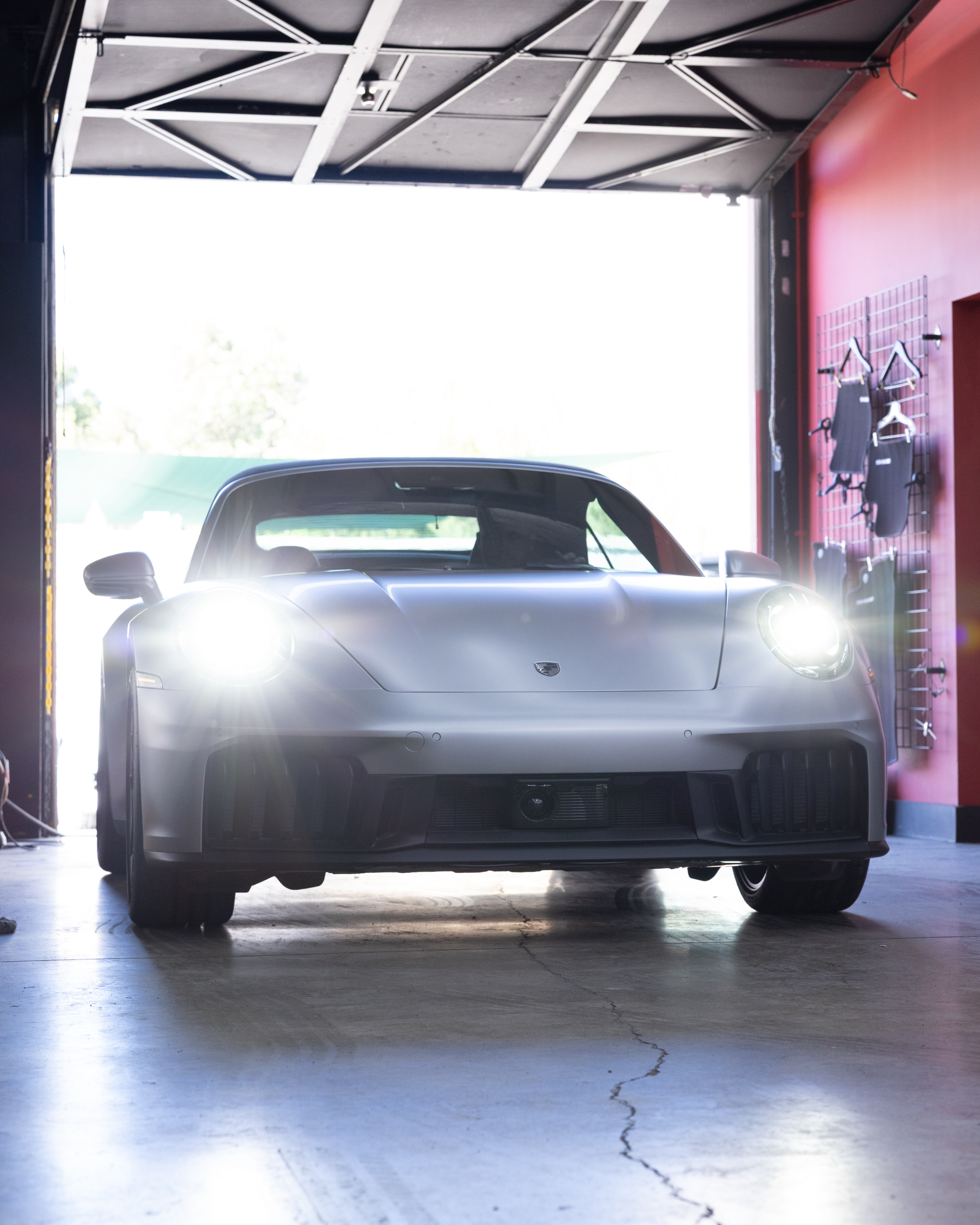
satin paint protection film in Westlake Village

Satin Paint Protection Film in Westlake Village

Matte and satin finishes continue to grow in popularity among California drivers. In Westlake Village and the Conejo Valley, many owners want a modern, understated aesthetic that still offers real-world protection against heat, debris and daily wear. Satin paint protection film in Westlake Village delivers that look — enhancing your vehicle’s style while shielding its factory paint. Here is why this self-healing film matters and how Bumper2Bumper installs it with expert precision.

Why Satin Paint Protection Film in Westlake Village Is Different

Why Satin Paint Protection Film in Westlake Village Is DifferentPaint Protection Film (PPF) is a transparent polyurethane barrier that protects paint from rock chips, bug splatter, bird droppings and small abrasions. Forbes notes that PPF helps slow vehicle aging by shielding paint from environmental wear and surface damage.

Paint Protection Film (PPF): An Investment In Your Car’s Future

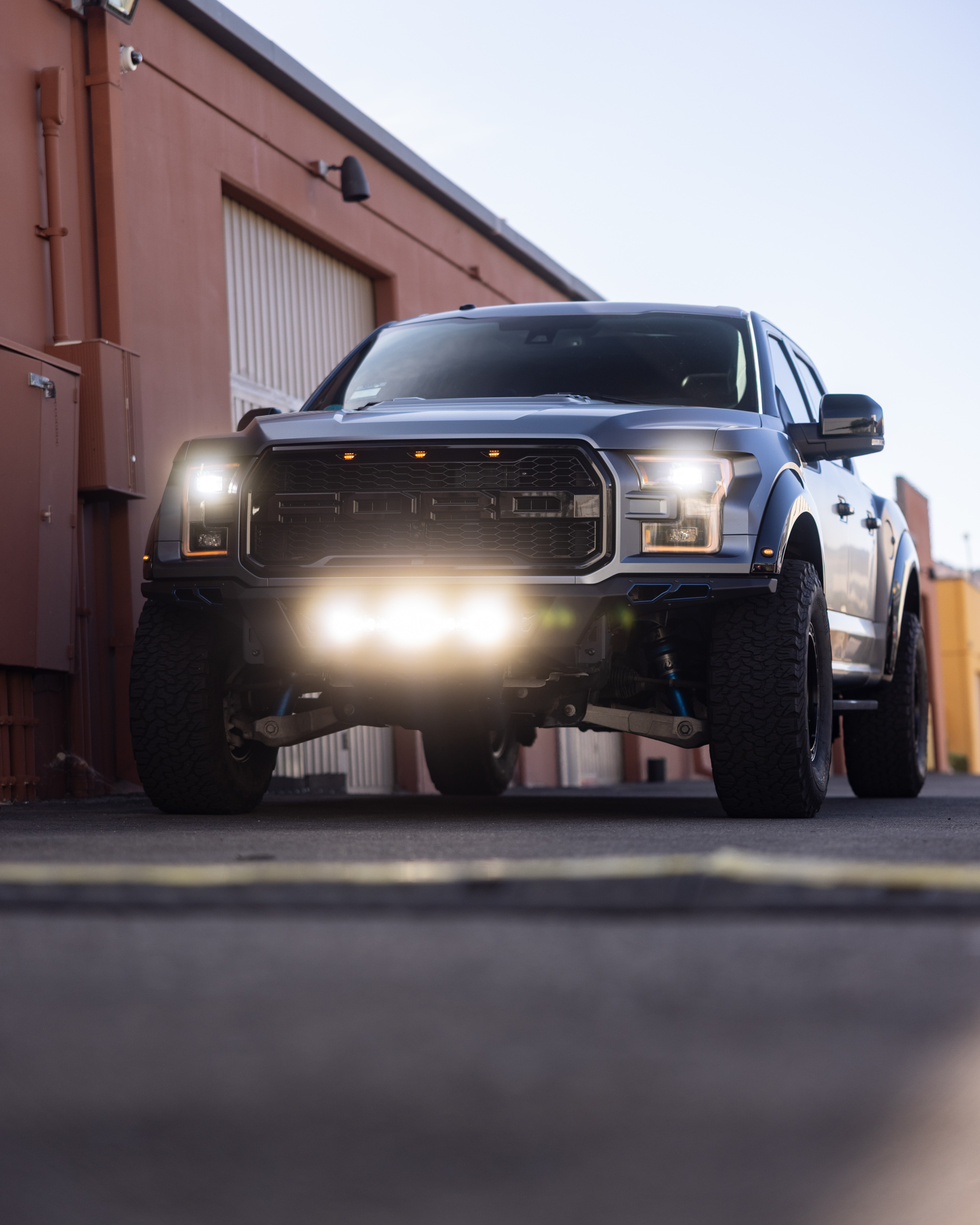
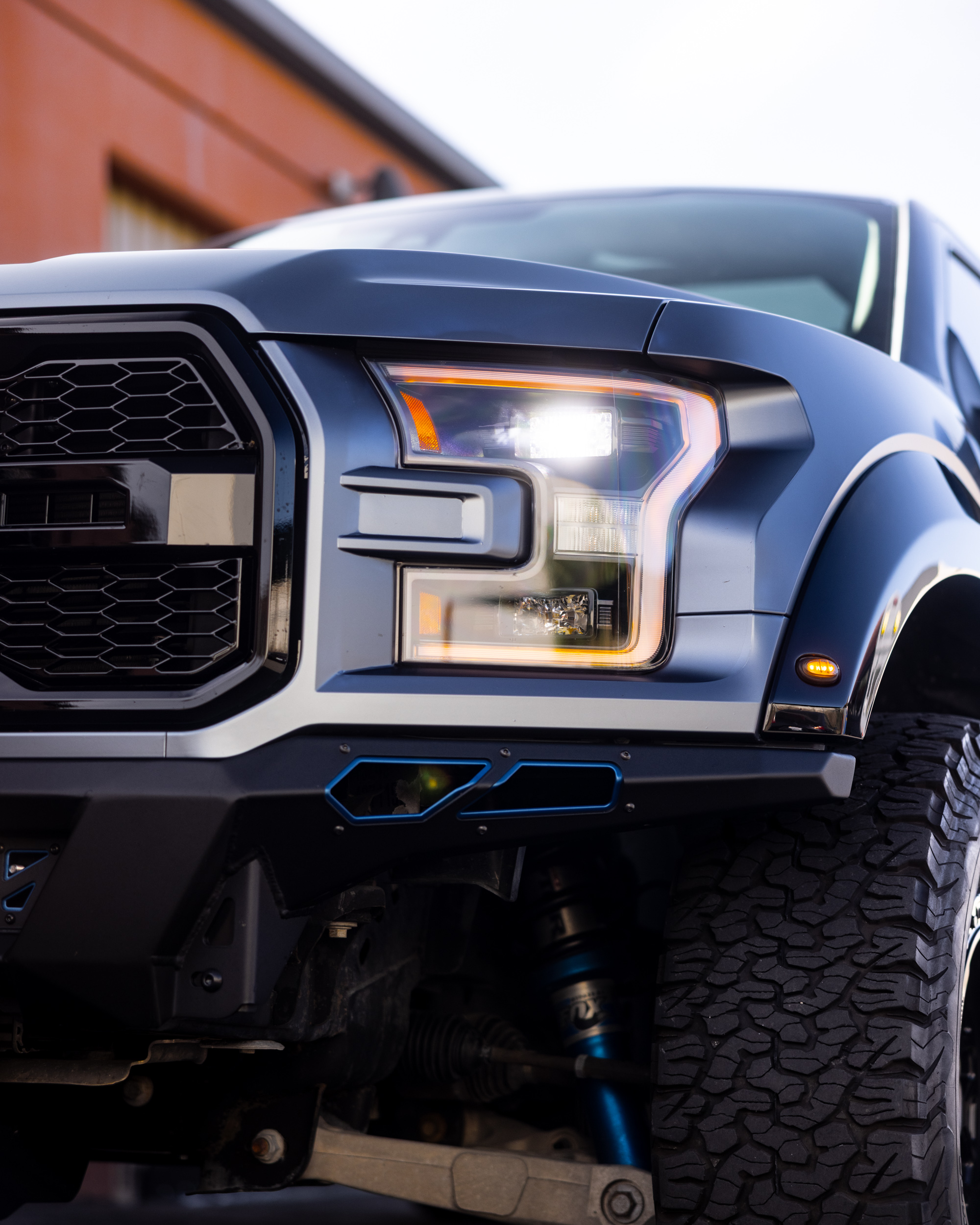
Unlike glossy PPF, satin PPF (also called “matte clear film”) delivers a smooth, low-gloss appearance while keeping the factory color intact.

Ford Authority confirmed that Ford introduced a factory “Matte Clear Film” for the 2024 Mustang — a removable satin-style protection layer that maintains the original paint underneath.
Ford Adds PPG Matte Clear Film Option on 2024 Mustang

This is the same principle behind Satin PPF applied at Bumper2Bumper.


Satin Paint Protection Film in Westlake Village vs. Ceramic Coatings

Ceramic coatings enhance shine and hydrophobicity but do not protect against physical impacts.
Forbes explains that ceramic coatings form a thin, microscopic layer that cannot stop chips or scratches.

What Does PPF Do? We Asked A PPF Expert At XPEL

Satin PPF provides:

  • Multi-layer impact absorption

  • Self-healing properties

  • Protection from etching and contaminants

  • A reversible satin finish

Leading brands (XPEL, STEK) offer warranties of 8–10 years, depending on the product.
XPEL Stealth Warranty

For maximum convenience and style, many drivers add a ceramic coating on top of PPF.


Why Satin Paint Protection Film in Westlake Village Makes Sense for Local Drivers

Why Satin Paint Protection Film in Westlake Village Makes Sense for Local DriversWestlake Village’s environment includes:

  • Intense UV exposure

  • Dust and gravel from canyon roads

  • Freeway debris from the 101 and 23

  • Temperature fluctuations that stress clearcoat

Forbes notes PPF helps protect paint from UV degradation and environmental wear.

Satin PPF offers added advantages:

  • Hides swirl marks more effectively than gloss

  • Stays visually cleaner between washes

  • Delivers a “stealth” aesthetic without repainting

Because satin PPF is removable, it preserves resale value and allows you to return to the original glossy finish anytime.


Common Misconceptions About Satin Paint Protection Film in Westlake Village

“Vinyl matte wrap is the same as satin PPF.”

Vinyl wrap only changes appearance. It cannot absorb impacts or self-heal.
PPF is thicker, more durable, and offers long-term protection.

“Matte finishes are difficult to maintain.”

Modern satin PPF has hydrophobic properties, especially when paired with ceramic coating.

“PPF is permanent.”

Satin PPF peels off cleanly, leaving the original paint untouched.


How Bumper2Bumper Installs Satin Paint Protection Film in Westlake Village

For over 20 years, Bumper2Bumper has served Westlake Village, Thousand Oaks, Agoura Hills, Oak Park and Calabasas with premium protective film installations.

Our Satin PPF Process

1. Full Surface Prep
Wash, decontamination, clay bar and paint correction ensure a flawless foundation.

2. Digital Plotting + Hand-Finishing
We combine precise computer-cut patterns with expert hand wrapping for seamless edges.

3. Premium Satin PPF Films
We use leading brands such as:

4. Optional Ceramic Coating
Enhances hydrophobicity and reduces washing time.

5. Expert Craftsmanship
Whether it is a Tesla, Porsche or daily commuter, every install receives the same detail-focused process.

6. Workmanship Guarantee
Backed by manufacturer warranties and Bumper2Bumper’s installation guarantee.


What You Can Expect When Choosing Satin Paint Protection Film in Westlake Village

Coverage Options

  • Full-body satin transformation

  • Partial front protection

  • Mixed satin + gloss combinations

Installation Time

Typically 2–4 days depending on coverage.

Longevity & Warranty

  • Satin PPF generally lasts 5–10 years

  • Manufacturer warranties vary by brand

  • Bumper2Bumper provides an installation guarantee

Care & Maintenance

  • Hand wash only

  • Avoid abrasive brushes

  • Scratches self-heal with heat

Resale Value Benefits

PPF protects original paint — a major resale advantage.

Investment & Cost Transparency

AutoTrader reports full-body PPF installations commonly range $2,000–$7,000, depending on vehicle size and coverage.
https://www.autotrader.ca/editorial/20230615/what-is-paint-protection-film/

It can also reduce the need for repainting, saving money long-term.

Pair With Ceramic Window Tinting

Ceramic tint blocks heat, glare and over 99% of UV transmission, according to the Cancer Council.
Fact sheet: Tinted windows


Conclusion: The Long-Term Benefits of Satin Paint Protection Film in Westlake Village

Satin PPF combines style and long-term protection — giving your vehicle a stealthy look while defending against UV damage, swirl marks, rock chips and environmental wear.

With expected durability of 5–10 years, warranty support, and Bumper2Bumper’s 20+ years of installation expertise, satin PPF is one of the most valuable upgrades you can make to protect your car in Westlake Village.

Contact Bumper2Bumper for expert auto care that keeps your car looking its best — inside and out.
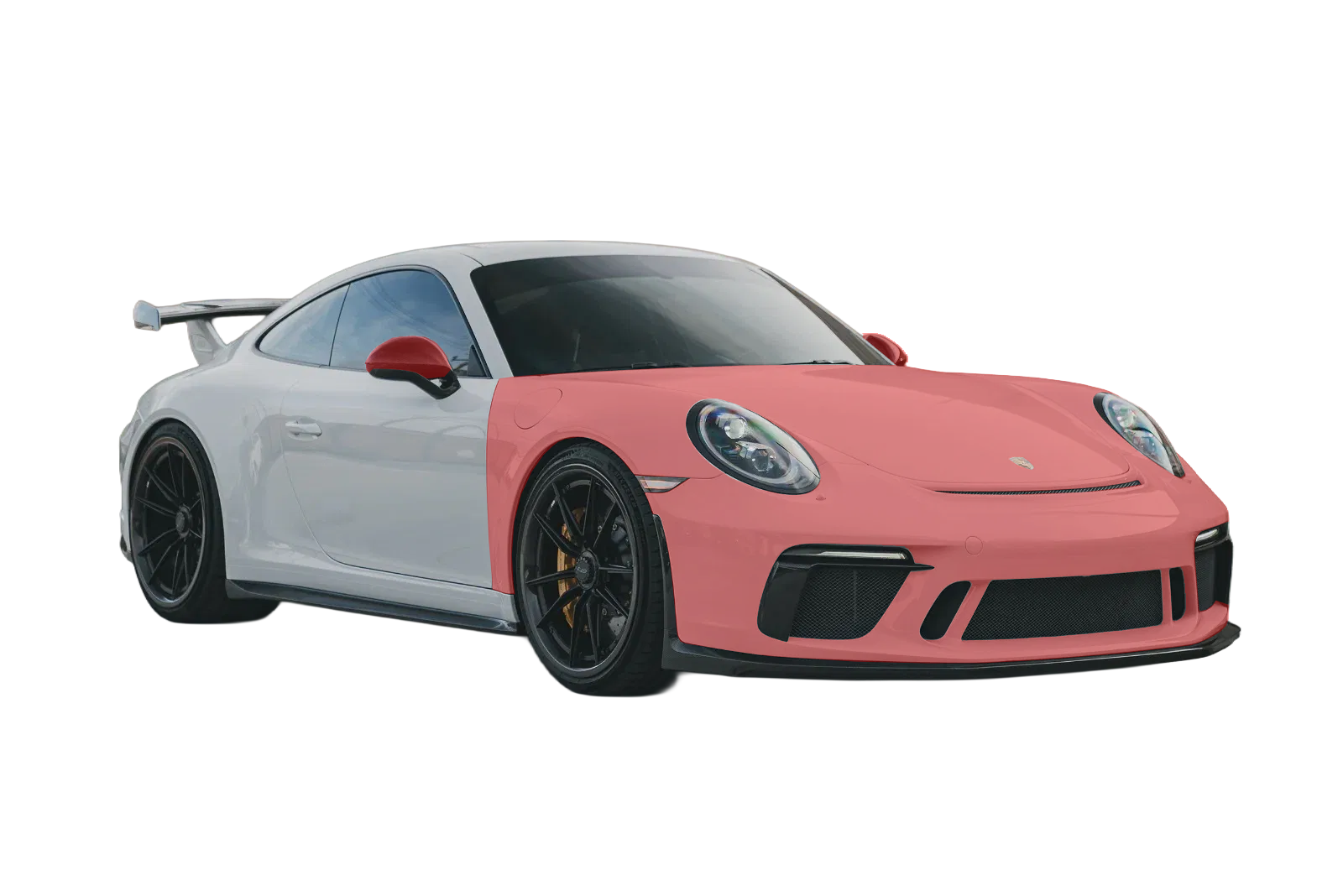
PFF Westlake village

Paint Protection Film Installation in Westlake Village, CA

In a place like Westlake Village, where sun, canyon roads, and daily commuting can slowly wear down your vehicle’s finish, many drivers look for ways to keep their paint looking its best. One option that has become especially popular is paint protection film installation in Westlake Village.

This guide explains what Paint Protection Film (PPF) is, how it protects your vehicle, and why it has become a go-to choice for long-term paint preservation.


What Paint Protection Film Really Is

PPF Installation in Westlake Village, CA

PPF is a TPU (thermoplastic polyurethane) film designed to absorb impact and shield your paint from both physical and environmental hazards. TPU is used in premium automotive films because it provides:

  • Flexibility and stretch

  • High optical clarity

  • Impact absorption

  • Resistance to yellowing

  • Durability under UV exposure


How PPF Protects Your Vehicle in Westlake Village

1. Rock Chip & Road Debris Protection

Driving through canyon roads, neighborhood streets, and the 101 freeway exposes your vehicle to gravel and small stones. TPU-based PPF absorbs these impacts before they reach your paint.

Source cited: STEK DYNOshield


2. UV & Heat Defense

Westlake Village experiences year-round sun exposure. PPF includes UV inhibitors that help prevent fading, oxidation, and film discoloration.

Source cited: PurePF


3. Chemical & Stain Resistance

Bird droppings, bug acids, tree sap, and water spotting can permanently etch unprotected paint. PPF helps guard against these elements by forming a durable protective barrier.

Source cited: XPEL Warranty


4. Self-Healing Surface

Modern PPF includes self-healing clear coats. Minor swirls and surface marks can disappear when exposed to heat, sunlight, or warm water.

Source cited: Flect Brilliant PPF


How Long PPF Really Lasts

Premium TPU films generally last between 8 and 12 years, depending on the brand and environmental conditions.

Examples of film warranty ranges:

  • PurePF – 10–12 years

  • STEK – 10 years

  • XPEL – 10 years

  • Flect – 8 years


PPF vs. Ceramic Coating

Ceramic Coating Provides:

  • Enhanced gloss

  • Hydrophobic water behavior

  • Easier cleaning

paint protection film installation in Westlake Village

PPF Provides:

  • Rock chip protection

  • Impact absorption

  • Scratch resistance

  • A physical barrier

  • Self-healing properties

  • UV and chemical protection

paint protection film installation in Westlake Village

Ceramic coating enhances appearance but does not stop chips. PPF offers the strongest physical defense for Westlake drivers.

Source cited: STEK DYNOshield


PPF Cost: What to Expect

PPF pricing varies based on:

  • Vehicle size

  • Coverage area

  • Film brand

  • Installation complexity

Manufacturers do not publish standardized pricing because each installation is unique.


Why PPF Installation in Westlake Village Makes Sense

Westlake drivers experience:

  • Intense UV exposure

  • Canyon gravel

  • Freeway debris

  • Warm climates year-round

  • High vehicle values and resale expectations


Why Choose Bumper2Bumper for PPF Installation

Choosing the right shop matters just as much as choosing the right film. At Bumper2Bumper, every installation is handled with the precision, care, and local expertise your vehicle deserves.

Certified Film-Specific Installers

Our team is trained to install premium paint protection films with the precision and techniques required for long-term durability.

Multiple High-Quality Film Options

We offer a selection of top-tier PPF materials, allowing you to choose from different finishes, durability levels, and protection features to match your vehicle’s needs.

Precision Application

Every installation is performed with meticulous attention to detail to ensure clean edges, strong adhesion, and a seamless finish.

Local Knowledge

Coverage recommendations are tailored to Westlake Village’s unique conditions, including UV exposure, canyon roads, and freeway driving.

Long-Term Support

We stand behind our installations with reliable aftercare and ongoing support so your vehicle remains protected for years.


Protect Your Vehicle with Paint Protection Film Installation in Westlake Village

Protecting your vehicle from rock chips, UV exposure, staining, and daily wear is essential—especially in a community like Westlake Village, where sunlight, canyon driving, and freeway conditions can quickly affect your paint. Paint Protection Film offers the strongest physical barrier available, combining impact resistance, self-healing capability, and long-term durability to keep your vehicle looking its best.

If you are considering Paint Protection Film Installation in Westlake Village, choosing an experienced PPF installer ensures your vehicle

Have a question? We’ll get back to you fast.

Ceramic coating vs ppf

Ceramic Coating or PPF: What Tesla Owners Should Know

You finally brought home your Tesla, only to realize just how delicate factory paint can be. Rock chips, scratches, and swirl marks appear faster than expected—especially on darker colors. For many Tesla drivers in Westlake Village and the Conejo Valley, long-term paint protection quickly becomes a top priority. The question is: ceramic coating or paint protection film (PPF)?

Both solutions defend your Tesla’s finish, but they work in very different ways. Tesla owners love the sleek paint and futuristic design of their vehicles, yet keeping that flawless look is another challenge entirely. Between road debris, UV rays, and daily wear, it’s no surprise that local drivers often ask which option delivers the best balance of protection, style, and value.

In this guide, we’ll break down how ceramic coating and PPF compare—so you can make an informed decision on the best protection for your EV.


What Is Paint Protection Film (PPF)?

Paint protection film is a clear, polyurethane film applied directly to your Tesla’s painted panels. Premium brands like Ceramic Pro and PURE PPF feature self-healing properties, meaning light scratches and swirl marks vanish with heat or sunlight.

Benefits of PPF for Tesla Owners:

  • Stops rock chips, road rash, and deep scratches before they reach the paint.

  • Self-healing topcoat keeps the finish smooth and glossy.

  • Ideal for high-impact areas such as the front bumper, hood, mirrors, and rocker panels.

  • Long-term durability — PPF offers up to 10+ years of protection with manufacturer-backed warranties.


What Is Ceramic Coating?

Ceramic coating is a liquid polymer, such as Ceramic Pro, applied by hand. Once cured, it chemically bonds with the factory paint to create a slick, hydrophobic surface.

Benefits of ceramic coating for Teslas:

  • Repels water, dirt, and road grime.

  • Adds UV protection to reduce fading.

  • Enhances gloss and makes cleaning easier.

  • Lasts 2–10 years depending on the product and maintenance.


Ceramic Coating or. PPF: The Key Differences

Feature Paint Protection Film (PPF) Ceramic Coating
Protection Shields against rock chips, scratches, and impacts Protects against UV, oxidation, and chemical stains
Appearance Virtually invisible, some films offer matte/satin finishes Boosts gloss, depth, and slickness
Durability 8–12 years with self-healing properties 2–10 years depending on product & care
Maintenance Minimal—film absorbs damage Easy to wash, water beads off
Best Use Front end and high-impact zones Entire vehicle for shine and ease of cleaning

Common Misunderstandings

  • Myth 1: Ceramic coating prevents rock chips.
    Coatings do not provide impact resistance—only PPF can stop chips.

  • Myth 2: PPF is always visible.
    Today’s premium PPF is crystal clear and often unnoticeable when professionally installed.


How Bumper2Bumper Handles Tesla Protection

At Bumper2Bumper in Westlake Village, we specialize in Tesla paint care. Whether you choose paint protection film or ceramic coating, our team uses premium brands like Pure PPF and Ceramic Pro coatings. We install with precision so your Model 3, Model Y, Model S, or Model X keeps its showroom look for years.

Our services include:

  • Full or partial PPF installation (front end, track package, or full body).

  • Ceramic Pro packages with warranty options.

  • Custom protection plans for EVs, tailored to your driving habits.


What Tesla Owners Can Expect

  • PPF installation: Typically 2–5 days depending on coverage.

  • Ceramic coating application: 1–3 days.

  • Warranty: Both services include manufacturer-backed protection.

  • Maintenance tips: Hand wash with pH-neutral soap, avoid harsh brushes, and schedule annual inspections for maximum lifespan.


Conclusion

For Tesla owners, the choice isn’t always ceramic coating vs. paint protection film—the two actually complement each other. PPF protects against physical damage, while ceramic coating makes your EV shine and stay cleaner.

Contact Bumper2Bumper for expert auto care that keeps your car looking its best — inside and out.
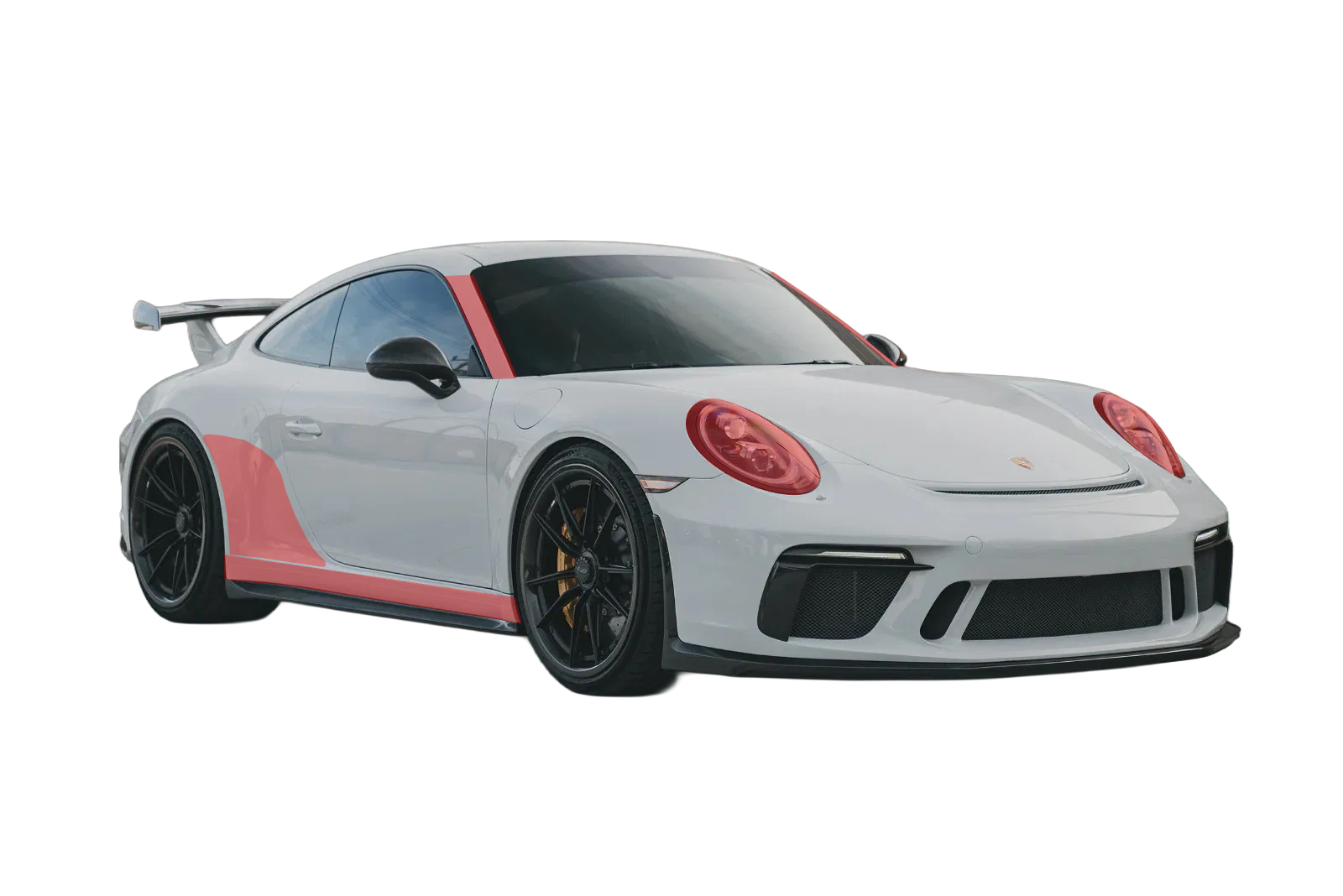
Car with paint protection film applied showing how to prevent scratches and maintain vehicle paint

Top 5 Signs You Need Paint Protection Film ASAP

Ever notice a fresh scratch or chip on your car and wonder, “Could I have prevented that?” In Westlake Village and the Conejo Valley, daily driving means constant exposure to rocks, sun, and road debris. That’s where paint protection film (PPF) comes in. Also called “clear bra,” PPF is a nearly invisible layer that shields your car’s paint from damage. If you’re not sure when to invest, here are the top five signs your car needs paint protection film ASAP.


1. Rock Chips Keep Appearing

Highways like the 101 are notorious for loose gravel and small stones that ping off your bumper and hood. If you’ve noticed chips in your paint after freeway drives, it’s a clear signal you need PPF. The film acts as a durable shield, absorbing the impact before it reaches your paint.


2. Scratches from Parking Lots

From shopping carts at The Promenade to tight parallel parking in Thousand Oaks, small scratches are inevitable. Paint protection film resists scuffs and minor abrasions, keeping your paint flawless even in crowded parking situations.


3. Fading or Oxidizing Paint

The California sun is no joke. UV rays can cause fading, oxidation, and dullness over time. High-quality PPF is UV-resistant, helping your vehicle maintain that showroom shine much longer.


4. You Drive a Luxury or High-Performance Vehicle

Whether it’s a Porsche, Tesla, BMW, or your everyday commuter, protecting the paint preserves both beauty and value. For luxury cars especially, even minor paint damage can hurt resale value. PPF ensures your investment stays protected.


5. You Plan to Keep Your Car Long-Term

If you want your car to look new for years—not just months—PPF is a must. It makes cleaning easier, prevents swirl marks, and protects against everything from bug splatter to road salt when traveling.


Common Misconception: Isn’t Wax or Ceramic Coating Enough?

Many drivers think a wax or even a ceramic coating offers the same defense. While ceramic coating provides chemical resistance and shine, it doesn’t stop rock chips or scratches. The best solution is often PPF on impact zones combined with ceramic coating for full-surface protection.


How Bumper2Bumper Handles Paint Protection Film

Top 5 Signs You Need Paint Protection Film ASAP

At Bumper2Bumper Motorsports in Westlake Village, we use premium STEK paint protection films known for durability, self-healing technology, and crystal-clear finish. Our team applies PPF with precision, wrapping edges and customizing coverage for bumpers, hoods, doors, and full vehicles.

We also offer Ceramic Pro ceramic coating, window tinting, dent and bumper repair, and auto detailing — so your car leaves our shop fully protected and looking its best.


What Customers Can Expect

  • Timeline: Most partial installs (front bumper & hood) take 1–2 days, while full wraps take 3–5 days.

  • Maintenance: Wash as usual—PPF makes it easier.

  • Warranty: Our PPF includes manufacturer-backed warranties for long-term peace of mind.


Conclusion

If you’re seeing chips, scratches, or fading paint—or if you simply want to protect your investment—the time to act is now. Paint protection film keeps your car safe from everyday hazards while preserving its beauty and value.

Contact Bumper2Bumper for expert auto care that keeps your car looking its best — inside and out.
how long ceramic coating lasts

How Long Does Ceramic Coating Really Last?

Typically, an automotive ceramic coating lasts 6 months to 10 years, depending on the type of coating, installer, and aftercare. While consumer-grade products offer short-term results, a professionally applied coating like Ceramic Pro delivers multi-year — even lifetime — protection.


Factors That Affect Durability

ceramic coating lasts

The lifespan of ceramic coating depends on a few key factors:

  • Type of Coating: Professional coatings like Ceramic Pro are layerable and bond more effectively than DIY products. More layers = longer-lasting protection.

  • Application Process: Proper paint prep and curing are essential. If applied incorrectly, coatings won’t last.

  • Environmental Conditions: UV radiation, heat, bird droppings, and road salts in Southern California shorten coating life.

  • Maintenance: Regular hand washing with pH-neutral soaps extends protection. Harsh car washes can strip it away

👉 At Bumper2Bumper, we pair ceramic coating with auto detailing to ensure paint is corrected and prepped before the coating bonds.


Comparison of Ceramic Coatings

Not all coatings are equal. Here’s a quick comparison of DIY, consumer-grade, and professional Ceramic Pro coatings:

Type of Coating Typical Lifespan Pros Cons Example Products
DIY Spray Coatings 6–12 months Easy to apply, inexpensive Wears off quickly, little real protection Consumer spray-on SiO₂ sealants
Consumer-Grade Kits 1–2 years Affordable, decent gloss Limited durability, often no warranty Amazon/retail ceramic kits
Professional Coatings 3–5 years Better bonding, deeper shine, warranty options Requires certified installer Ceramic Pro Silver, Gold Packages
Lifetime Packages Lifetime of vehicle (with annual inspections) Maximum protection, nationwide warranty, resists UV/chemicals Higher upfront cost Ceramic Pro Ultimate Armor

Is Ceramic Coating Worth It?

Absolutely. Even though coatings wear over time, their benefits far outweigh the cost:

  • Superior Protection: Shields against UV, sap, bug splatter, and bird droppings.

  • Easy Maintenance: Hydrophobic properties keep your car cleaner for longer.

  • Gloss & Shine: Adds depth and brilliance that wax can’t match.

  • Preserves Value: Protects against oxidation and fading, maintaining resale value.

Drivers often combine ceramic coating with paint protection film (PPF) for complete protection against scratches and rock chips.


How to Extend the Lifespan of Ceramic Coating

To get the most out of your ceramic coating:

  • Wash with ceramic-safe shampoos.

  • Schedule regular inspections.

  • Avoid abrasive cleaners.

  • Reapply booster products as recommended.

With Ceramic Pro packages, annual inspections are required to maintain warranties. These check for wear, hydrophobic performance, and environmental damage, ensuring your coating performs as promised.


Why Choose Bumper2Bumper for Ceramic Coating

ceramic coat lasts

At Bumper2Bumper in Westlake Village, we’ve been protecting vehicles for 20+ years. Our certified team uses Ceramic Pro coatings, applied in a controlled environment for maximum durability.

  • Certified Ceramic Pro installers

  • Custom packages — 2 years, 5 years, or lifetime protection

  • Complementary services like window tinting and dent repair

  • Trusted by drivers across Thousand Oaks, Agoura Hills, Oak Park, Calabasas, and the Conejo Valley


Conclusion

Ceramic coating is not permanent, but when installed and maintained properly, it can protect your car for years — even a lifetime. For drivers in the Conejo Valley, it’s one of the smartest ways to keep your car looking new while preserving its long-term value.

👉 Get Your Free Ceramic Coating Quote

Contact Bumper2Bumper for expert auto care that keeps your car looking its best — inside and out.